An outdoor renovation is one of the most rewarding investments you can make in your home. Beyond the clear advantage of boosting your property’s market value, a thoughtful backyard upgrade expands your actual living square footage, shifting everyday activities like cooking, dining, and lounging into the open air. However, a common pitfall for many homeowners is the “impulse renovation”—purchasing high-end patio furniture, investing in mature trees, or installing a complex garden layout before addressing the underlying structural needs of the property. Without a master plan, you risk blowing your budget or, worse, having to tear up newly completed landscaping later to install a forgotten drainage pipe or utility line. This comprehensive guide details how to assess your space, manage the logistics, and sequence your construction projects to build a functional, lasting outdoor oasis.
Assessment, Vision, and Zoning Laws
Before you pick up a shovel or call a professional, you must thoroughly evaluate the physical characteristics of your land. Every backyard has its own microclimate, topography, and hidden challenges that dictate what can reasonably be built. Spending a week carefully studying these elements saves thousands of dollars in retrofits.
- Mapping Environmental Factors: Observe how sunlight moves across your yard throughout the day. A patio positioned for evening dining will be unpleasant if it sits in full, baking afternoon sun without shade. Note wind patterns, especially high-wind corridors between buildings that could ruin the experience of an outdoor dining area.
- Analyzing Topography and Drainage: Look for low points where water pools after rain. If your yard slopes sharply toward your home’s foundation, your first priority must be regrading or installing French drains rather than building cosmetic features.
- Creating a Functional Bubble Map: Instead of drawing exact features, start by sketching “zones” on a piece of paper. Label areas for high-activity zones (like grilling and dining), quiet zones (reading nooks or hammocks), and utility zones (trash storage or garden tool areas).
- Locating Existing Underground Utilities: Contact your local one-call utility protection service before finalizing your layout to mark gas, water, and telecommunication lines that could restrict where you can dig or plant large root systems.
Beyond the physical land, you must navigate the legal boundaries of your property. Every municipality has specific zoning codes that govern setbacks—the mandatory distance a structure must sit from the property line. Furthermore, local codes limit the percentage of your yard that can be covered by impervious surfaces (materials like concrete or asphalt that do not absorb water). Before finalizing any plans, pull your property map, check for utility easements, and present your concept to your local building department or Homeowners Association to secure the necessary permits.
As you prepare the ground for construction, dealing with old, overgrown, or dangerous vegetation is a critical first step. Large, dead trees or invasive root systems can easily crack future foundations, lift up pavers, or damage underground utility lines. Securing reliable tree services early in the process ensures that hazardous branches are cleared, stumps are ground down, and canopy growth is thinned out to let light onto your future patio space safely.
Once your overgrowth is handled, you can look inward to add functional outbuildings. Instead of standard, flimsy plastic storage boxes, investing in custom sheds allows you to match the architectural style, siding, and roof pitch of your primary residence. These structures can serve as traditional tool hubs, or they can be insulated and finished to become detached home offices, creative studios, or pool houses.
Hardscaping and Structural Foundations
Hardscaping forms the skeleton of your outdoor renovation. Patios, walkways, and retaining walls define the movement through your space and hold up the weight of heavy features like outdoor kitchens, stone fireplaces, or hot tubs. Choosing the right materials and ensuring proper structural support guarantees your backyard stands up to the elements for decades.
- Material Trade-offs: Stamped concrete offers incredible design versatility and low initial costs, but it can crack in freezing climates. Natural stone pavers provide a timeless look and handle shifting ground beautifully because the joints flex, but they require higher labor costs. Wood and composite decks elevate your space over sloped terrain but require different structural footings than ground-level masonry.
- The Importance of Sub-Base Engineering: The longevity of any patio depends entirely on what lies beneath it. True structural integrity requires excavating deep enough to remove organic topsoil, backfilling with crushed gravel, and compacting the base in layers with a heavy vibratory plate compactor.
- Managing Material Transitions: Where your driveway meets your backyard walkway, or where stone transitions to grass, ensure proper edge restraints are installed. Without rigid vinyl or metal edging, pavers will slowly migrate outward over time.
- Factoring in Pitch for Proper Water Runoff: Ensure all solid hardscape surfaces are engineered with a subtle slope—ideally a quarter-inch drop per linear foot—pointing away from your house to prevent pooling and structural water damage.
For massive structural projects like a seamless poured-in-place concrete pool deck, structural retaining walls, or a heavy masonry outdoor kitchen base, relying on a professional concrete contractor is indispensable. They ensure the correct rebar reinforcement, expansion joints, and concrete mix ratios are utilized so the structure does not heave or crack during seasonal temperature swings.
At the same time, look at how your driveway or secondary paths integrate into the backyard design. If you have an asphalt driveway leading toward a side gate or rear parking pad, maintaining that surface is vital to the clean aesthetic of your home. Working with experienced sealcoating contractors allows you to protect that asphalt from water penetration, oil spills, and sun degradation, completing the crisp, uniform look of your property’s entire exterior footprint.
Perimeter Security, Privacy, and Outbuildings
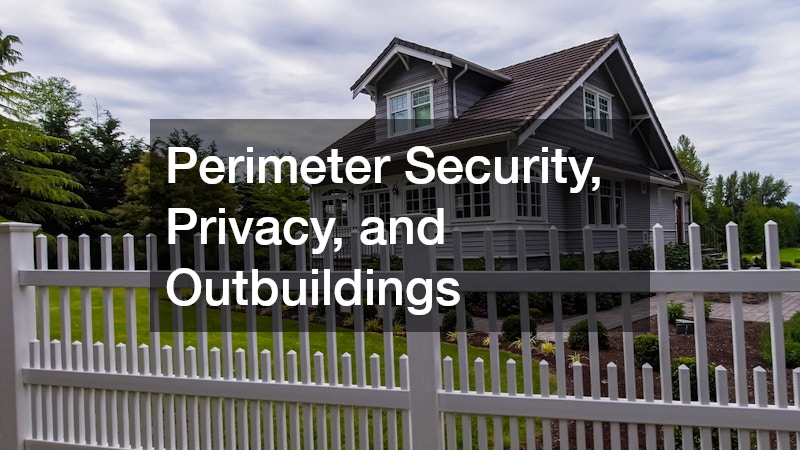
With your major ground structures in place, the next phase focuses on defining boundaries, ensuring security, and introducing detached structural rooms. Privacy is often the top requirement for homeowners looking to maximize their backyard enjoyment, as a space that feels exposed to neighbors rarely gets used.
- Vetting Material Options for Boundaries: Traditional wood offers a classic look but requires regular staining or painting. Vinyl provides a zero-maintenance alternative but can become brittle in extreme cold. Composite options mix the aesthetic of wood with the durability of plastic, though at a premium price point. Metal options like aluminum or wrought iron add security and elegance but lack visual privacy unless paired with dense landscaping.
- Strategic Boundary Placement: You do not always need a continuous, solid wall around your entire property line. Consider using a mix of solid panels near close neighbors and open-rail designs where you want to preserve a beautiful view.
- Enhancing Privacy with Living Screens: If local zoning laws limit the height of hard structures to six feet, you can gain extra height by planting narrow evergreen trees, such as Arborvitae or clumping bamboo, directly along the interior side of your boundary.
- Securing Gates and Entry Latches: Incorporate self-closing hinges and heavy-duty, pool-safe latches on all perimeter access points to meet local safety liabilities and prevent kids or pets from wandering off.
When you are ready to install these perimeters, utilizing professional fencing ensures your borders are straight, plumb, and structurally sound. A poorly installed boundary line will sag or lean after the first major windstorm, ruining the visual appeal of your entire project.
To guarantee that your boundaries withstand the test of time, wind loads, and wet soil conditions, it is wise to partner with certified fence contractors. These specialists possess the commercial post-hole augers and alignment tools required to set posts perfectly below your local frost line, ensuring your boundary stays straight for decades.
Outdoor Utilities, Lighting, and Power Infrastructure
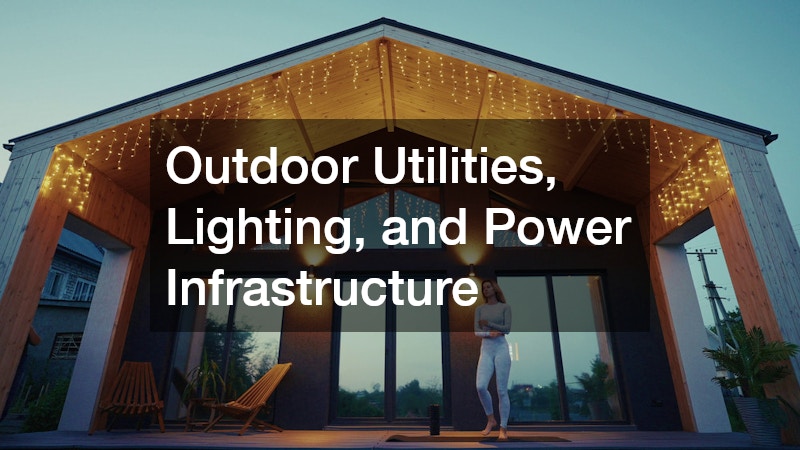
A truly premium backyard functions like an indoor room, which means it requires a reliable supply of utilities. Incorporating water, gas, and electricity into your landscape design unlocks features like ambient lighting, outdoor audio systems, automated irrigation, and fully functional kitchens. However, utility installation must be done before final landscaping or lawn planting occurs to avoid tearing up fresh sod.
- Designing a Layered Lighting Infrastructure: A successful outdoor lighting plan relies on three distinct layers. Ambient lighting sets the overall mood through low-voltage string lights or lanterns. Task lighting provides focused illumination over grills, prep counters, and steps for safety. Accent lighting uses spotlights at the base of architectural trees or stone features to add depth and drama to the yard at night.
- Planning for Gas and Water Lines: If you desire a permanent gas fire pit or a sink in your outdoor kitchen, these lines must be trenched deep beneath your frost line. Always run an extra PVC sleeve under your hardscape paths during the excavation phase so you can easily pull future wires or pipes through without demolishing your stone structures.
- Managing High-Draw Electrical Amenities: Modern backyard additions require a surprising amount of power. Hot tubs, electric patio heaters, powerful pool pumps, and extensive landscape illumination can easily overload a standard home electrical panel.
- Integrating Outdoor Smart Controls: Establish a strong Wi-Fi mesh network or run exterior ethernet lines to support smart switches, allowing you to control zoning lights, water features, and audio systems directly from your smartphone.
To safely bring your yard to life, you should hire a licensed electrician during the early design phases. This professional can audit your home’s existing electrical panel to determine if you have enough open capacity or if your upgrade requires a secondary sub-panel to handle the new outdoor loads.
Leaving outdoor electrical work to general handy workers is a major safety risk. Utilizing professional electrical services ensures that all exterior outlets are equipped with ground-fault circuit interrupter protection, all wiring running through your gardens is housed in heavy-duty schedule 40 PVC conduit, and all light fixtures are rated for wet locations, protecting your family from electrical shocks and system shorts.
Custom Finishings, Comfort, and Pest Mitigation

The final phase of a backyard renovation is where your unique style comes to life. Once the foundations are poured, the boundaries are built, and the power lines are buried, you can focus on the architectural details and environmental comfort measures that transform a blank yard into a welcoming sanctuary.
- Maximizing Comfort via Architectural Shade: A gorgeous patio is unusable if the sun makes it blindingly hot. Incorporating structures like pergolas, pavilions, or motorized awnings allows you to control the temperature and UV exposure of your primary seating areas.
- Integrating Built-In Features: To maximize space on smaller patios, look toward multi-functional design. Built-in stone or wood bench seating around a fire pit can double as weather-proof storage boxes for cushions, pool toys, or firewood.
- Finishing with Textiles and Landscaping: Soften the heavy look of hardscaping by layering outdoor rugs, weather-resistant throw pillows, and potted plants. Use a mix of perennials, annuals, and ornamental grasses to add changing color and texture through the seasons.
- Choosing Weather-Resistant Textiles: Opt for solution-dyed acrylic fabrics and open-cell reticulated foams for your removable cushions, ensuring they resist fading under intense sunlight and drain water quickly after heavy rainfall.
To create high-end, durable finishings that fit the unique contours of your yard, you can benefit greatly from bespoke carpentry services. Master craftsmen can build custom cedar pergolas that perfectly match your patio layout, construct durable hardwood decks using exotic woods like Ipe, or craft beautiful privacy screens that hide ugly pool equipment or trash receptacles.
Finally, do not overlook the environmental comfort of your space regarding local wildlife and insects. A beautiful yard can be rendered useless if your family is driven indoors by pests. Designing your yard with proper slope grading and French drains eliminates the standing water that serves as a breeding ground for pests. For comprehensive protection against wood-boring insects like termites that threaten your new deck, or to clear out ticks and mosquitoes from your entertaining zones, establishing an ongoing plan with professional pest control services ensures your outdoor sanctuary remains safe and comfortable to lounge in all year long.
Transforming your backyard from a basic plot of grass into a dynamic outdoor living space is a journey that requires careful planning, strict project sequencing, and professional expertise. By taking the time to thoroughly audit your land, establish permanent structural hardscaping, secure your perimeters, and run safe utility lines, you protect your financial investment and prevent costly construction do-overs. Remember that you do not have to build your entire dream backyard in a single season. A well-designed master plan can easily be executed in distinct phases over several years as your budget allows. The careful execution of your outdoor renovation pays off every time you step outside to cook a meal, gather around a fire with friends, or simply watch the sunset from the comfort of your own personal oasis.