A home’s exterior is the first line of defense against harsh weather and the most visible indicator of property value. As the seasons shift—bringing everything from freezing winter temperatures and heavy snowfall to blazing summer heat and torrential rain—the structural and aesthetic elements of a property undergo constant environmental stress. For many property owners, maintenance is often reactive, addressing problems only after a leak occurs, a branch falls, or a foundation crack appears. However, shifting to a proactive approach prevents costly secondary damage while simultaneously enhancing the lifestyle and curb appeal of the home. By breaking down exterior upgrades into strategic, seasonal projects, property owners can safeguard their investments, lower their utility expenditures, and create highly functional outdoor spaces that can be enjoyed year-round. This comprehensive guide explores actionable strategies for protecting the building envelope, managing environmental factors, and maximizing the utility of the landscape throughout the year.
Implementing Smart Water Management Strategies
Directing water away from the foundation while keeping the turf and landscape properly hydrated requires specific, seasonal strategies. Water is arguably the most destructive force a home faces, capable of undermining structural integrity if left unmanaged over time.
Evaluate and upgrade your roof drainage system well before the heavy spring rains or autumn storms arrive. When water pools near the foundation, it increases hydrostatic pressure against the basement walls, leading to cracking, bowing, and inevitable water intrusion into the lower levels of the home. The risks extend beyond the basement; overflowing water can rot fascia boards, damage exterior siding, and drown delicate foundation plantings. Coordinating with a local gutter company ensures that seamless, high-capacity channels are appropriately sized and pitched to handle maximum rainfall for your specific roof’s square footage. Integrating commercial-grade leaf guards or micro-mesh screens into this system prevents the buildup of organic debris, which is the primary cause of destructive ice dams during the freezing winter months.
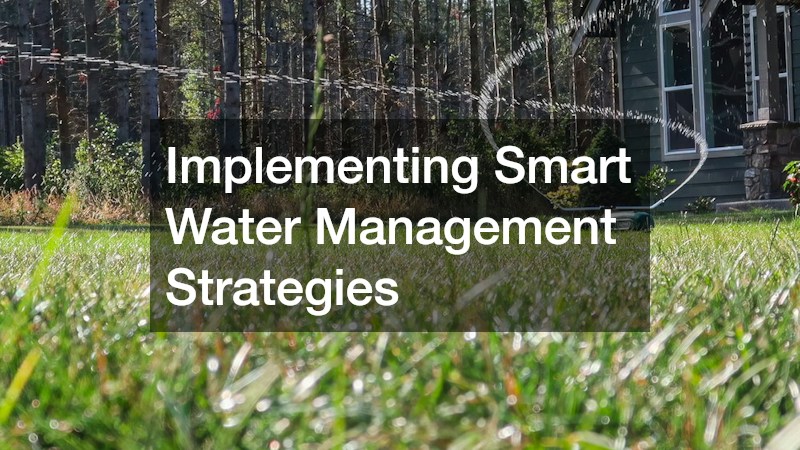
Conversely, maintaining a healthy landscape during the scorching summer months requires efficient, targeted hydration. Surface watering with a traditional garden hose often leads to rapid evaporation and shallow root growth, making the lawn highly susceptible to drought and disease. Automating this process provides consistent, deep-root watering that fosters long-term botanical resilience. Installing a smart lawn sprinkler system allows for the creation of specific hydro-zones across the yard based on soil type, natural sun exposure, and the specific needs of different plant species. Modern smart controllers integrate directly with local weather station data to adjust watering schedules automatically, preventing unnecessary water waste during natural rain events and ensuring the flora remains vibrant even through prolonged dry spells.
-
Conduct bi-annual drainage audits: Clear all roof channels in late fall after the leaves drop and again in early spring to ensure unobstructed water flow away from the structure.
-
Extend downspouts strategically: Ensure all collected water is discharged at least six to ten feet away from the foundation wall, utilizing buried corrugated pipes if necessary to maintain clear pedestrian pathways.
-
Winterize irrigation lines: Prevent catastrophic underground pipe bursts by having irrigation systems professionally blown out with compressed air before the first deep freeze of the season.
Designing Weather-Resistant Outdoor Entertainment Areas

Expanding your usable square footage into the outdoors requires careful material selection and rigorous structural planning. A well-designed exterior living space should seamlessly bridge the gap between the interior of the home and the natural landscape, offering a comfortable environment regardless of the season.
Constructing a high-performance foundation for lounging and dining is the first step in creating a lasting outdoor oasis. Traditional treated lumber, while initially cost-effective, requires rigorous annual maintenance, including power washing, sanding, staining, and sealing, to prevent splintering, warping, and rot. Modern capped composite boards offer a vastly superior alternative, engineered to withstand intense ultraviolet radiation, heavy moisture, and extreme temperature fluctuations without degrading. When planning a new build or a structural overhaul, hiring specialized deck contractors ensures that the framework meets stringent municipal safety codes. Proper weight distribution, adequate frost-depth footings, and secure ledger board attachments are critical to preventing structural failure, especially when the space needs to accommodate heavy additions like outdoor kitchens, masonry fire pits, or hot tubs.
Creating versatile shade solutions is equally important for maximizing the usability of the space throughout the hottest months of the year. Direct sun exposure not only limits human comfort during peak summer afternoons but also accelerates the fading and degradation of outdoor furniture fabrics and surface finishes. Integrating adjustable shade mechanisms allows property owners to completely control their outdoor environment. Consulting a canopy company to install motorized retractable awnings, customized architectural shade sails, or permanent louvered pergolas transforms a scorching patio into a comfortable, sheltered retreat. These specialized installations also provide a reliable buffer against unexpected light rain showers, ensuring that outdoor gatherings and family dinners can continue uninterrupted by passing weather.
-
Prioritize structural inspections: Check all load-bearing posts, joist hangers, and railings annually for signs of rot, rust, or loose fasteners, particularly after harsh winter weather.
-
Select fade-resistant materials: Invest in high-quality, solution-dyed acrylic fabrics for all outdoor cushions and umbrellas to resist mildew and ultraviolet degradation over time.
-
Incorporate ambient lighting: Extend the usability of the entertainment area into the evening hours by integrating low-voltage LED lighting into stair risers, post caps, and overhead structures.
Fortifying the Home Envelope Against Temperature Extremes
Sealing the home’s largest physical vulnerabilities prevents severe thermal transfer and costly mechanical failures. The building envelope acts as the primary barrier between the controlled indoor climate and the volatile outdoor elements, making its integrity vital to both comfort and utility costs.
Eliminating drafts and boosting energy efficiency should be a primary focus when preparing for both winter freezes and summer heatwaves. Aging seals, degraded caulking, and single-pane glass lead to significant heating and cooling losses, forcing HVAC systems to work harder and driving up utility costs unnecessarily. The long-term return on investment is substantial when you prioritize a full window replacement utilizing modern, double- or triple-pane units filled with dense argon or krypton gas. These advanced units, often treated with Low-E glass coatings, reflect radiant heat outward during the summer and trap warm air inside during the winter. This stabilizes indoor temperatures, reduces the workload on the furnace and air conditioner, and significantly reduces the transmission of exterior noise pollution into the living areas.
Securing the largest access point of the home is equally critical for thermal regulation and property security. The garage is often an overlooked zone, yet an uninsulated or poorly sealed door acts as a massive thermal bridge, drawing heat out of adjacent interior rooms and leaving plumbing located in shared walls vulnerable to freezing. Winterizing this space includes thoroughly inspecting the bottom weatherstripping and side perimeter seals for cracks or gaps. Furthermore, the extreme temperature shifts of winter can cause metal components to contract, warp, and become brittle. Securing professional garage door repairs to address worn torsion springs, frayed lifting cables, and unlubricated tracks prevents the heavy panels from freezing to the concrete floor or failing entirely during a severe weather event, ensuring reliable access when you need it most.
-
Apply seasonal weatherstripping: Seal all operable sashes and entryways with temporary or permanent weatherstripping to eliminate micro-drafts before the winter season begins.
-
Monitor glass for condensation: Persistent moisture between the panes of insulated glass indicates a failed thermal seal, requiring the replacement of the sash to restore energy efficiency.
-
Lubricate moving components: Apply a specialized lithium-based or silicone spray to all garage hinges, rollers, and springs semi-annually to ensure smooth operation and prevent mechanical strain.
Safeguarding Underground Infrastructure During Major Renovations
Executing large-scale exterior overhauls requires a highly strategic approach to project management and site safety. Major landscaping and construction projects carry the inherent risk of damaging buried utilities, altering established property drainage patterns, and violating local zoning ordinances.
Centralizing complex project management is the most effective way to navigate the logistical challenges of a comprehensive backyard overhaul. Coordinating schedules between heavy equipment operators, plumbers, electricians, concrete pourers, and landscapers can quickly overwhelm a property owner who attempts to act as their own project manager. Utilizing a general contractor streamlines this entire process, ensuring that municipal permitting is successfully secured, materials are staged efficiently on the property, and a rigorous standard of quality control is maintained across all specialized trades. This professional oversight prevents costly sequencing errors, such as pouring a massive concrete patio before the necessary electrical conduits for outdoor lighting and plumbing for an outdoor kitchen have been laid in the trench.
Adopting non-destructive digging techniques is absolutely paramount when heavy machinery is brought onto the property for grading or trenching. Traditional excavation with backhoes or heavy augers poses a severe, sometimes lethal, risk to hidden utility lines, including fiber optic cables, high-voltage electrical wires, gas mains, and municipal water pipes. To mitigate these extreme hazards, property owners should advocate for hydro excavation services during the initial site preparation phase. This advanced, highly precise method utilizes pressurized water to break up compacted soil, paired seamlessly with an industrial vacuum to safely remove the resulting debris slurry. It is environmentally friendly, minimizes the disruption to surrounding turf, and virtually eliminates the risk of striking a buried utility line when installing deep fence posts, pool foundations, or new plumbing extensions.
-
Verify utility locations: Always ensure the local public utility location service is contacted prior to any digging to physically mark the path of subterranean infrastructure.
-
Establish safe access routes: Designate clear pathways for heavy machinery to enter the backyard, protecting existing root systems and preventing the excessive compaction of healthy topsoil.
-
Review comprehensive timelines: Demand a detailed project schedule that accounts for material lead times, necessary inspection days, and built-in buffers for inclement weather delays.
Beyond the immediate structural envelope of the home, structuring a low-maintenance, resilient yard requires permanent physical alterations to the terrain and careful, ongoing management of mature vegetation. Shifting away from expansive, high-maintenance grass lawns toward functional, permanent stone features dramatically reduces weekly upkeep and seasonal resource consumption. You can effectively mitigate soil erosion on sloped properties and create durable, visually striking transit paths by utilizing hardscaping services to design engineered retaining walls and interlocking paver patios. These permanent installations anchor the landscape, providing solid ground that resists the shifting freeze-thaw cycles of winter and the heavy soil runoff of spring storms. A well-designed stone layout naturally guides excess surface water flow away from critical areas, complementing the roof drainage systems and preventing muddy, unusable patches of the yard from forming during wet seasons.
Furthermore, the overall safety of the property relies heavily on mitigating canopy hazards well before severe storm seasons arrive. Mature timber adds significant aesthetic appeal, summer shade, and financial value to a property, but it also presents a major liability if left unmanaged over the years. High winds, heavy ice accumulation, and rain-saturated soil can cause seemingly healthy branches or entire trunks to fail catastrophically. It is critical to address these risks by scheduling professional tree services for comprehensive arboricultural assessments. Certified arborists can perform structural pruning to safely thin the canopy, reducing wind resistance and removing dead, diseased, or crossing wood that threatens the roofline or nearby power lines. Proactive cabling of weak branch crotches and the safe, methodical removal of declining specimens entirely eliminate the danger of sudden impact damage, actively protecting both the physical home and the safety of the residents who enjoy the yard below.
Protecting the exterior envelope and upgrading the surrounding landscape directly shields the interior living spaces while exponentially expanding the usable footprint of the property. When approached methodically, routine exterior maintenance transforms from a burdensome chore into a continuous, year-round commitment that yields excellent returns in overall property value and daily peace of mind. Every improvement—from controlling rainfall and reinforcing structural barriers to designing inviting entertainment zones and managing the surrounding nature—works in harmony to create a resilient, welcoming environment.
By prioritizing these strategic renovations and embracing a forward-thinking approach to property care, homeowners can rest assured that their residence is fully prepared to weather any season beautifully while remaining a secure, enjoyable sanctuary for years to come.