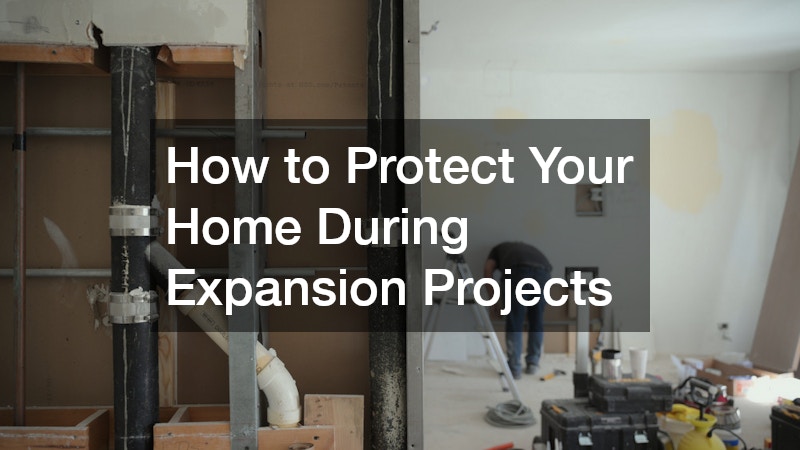
Expanding your home is exciting, but it also puts your property through a period of disruption. Walls may be opened, utilities may be moved, equipment may cross your yard, and parts of the home that are usually protected may be temporarily exposed.
The best way to avoid expensive surprises is to think beyond the finished addition. Before the first day of work, homeowners should understand what needs protection, what could be affected, and how to keep everyday life running as smoothly as possible while construction is underway.
A good expansion project is not just about adding space. It is about protecting the home you already have.
Assessing Existing Conditions Before Work Begins
Before construction starts, walk through your property slowly and carefully. Take photos of walls, ceilings, floors, exterior siding, patios, driveways, landscaping, and any areas near the future work zone. This gives you a clear record of the home’s condition before crews arrive.
Pay close attention to small cracks, sticking doors, uneven floors, or moisture stains. These issues may seem minor, but construction can place additional stress on weak areas. If your home already shows signs of settling, schedule foundation repairs before the expansion begins. It is much easier to address structural concerns early than to discover them after new framing, flooring, or finishes are installed.
Outdoor systems matter, too. If your project involves digging, grading, or expanding near a drain field, do not overlook septic repair needs. Heavy equipment and soil movement can create problems if the system is already strained. Ask your contractor where machinery will travel and whether protective ground mats are needed.
Documenting the Property Clearly
Your pre-project documentation should include:
- Close-up photos of existing cracks or damage
- Wide shots of rooms and exterior areas near the project
- Video walkthroughs of high-traffic areas
- Notes about appliance, utility, or drainage concerns
This record helps prevent confusion later. It also gives contractors a clearer understanding of what was already present before construction began.
Protecting Upper Areas From Exposure and Weather
Home additions often affect the upper envelope of the house, especially when the new space connects to existing walls or rooflines. Even a short period of exposure can allow rain, wind, or debris to enter areas that are normally sealed.
Before work begins, ask how temporary coverings will be handled. A reliable crew should have a plan for tarps, barriers, flashing, and emergency weather protection. This is especially important if the project is scheduled during a rainy season or if the existing home will be opened before the new structure is fully enclosed.
Homeowners should also ask who is responsible for inspecting vulnerable areas during the project. In many cases, roofers may need to coordinate with the general contractor when new framing connects to existing roof sections. The transition between old and new materials is one of the most common places for leaks to develop.
Do not assume the crew will automatically notice every weak spot. If your roofing already has damaged shingles, aging flashing, clogged gutters, or soft decking, bring it up before construction begins. Expansion work can make existing problems worse if they are ignored.
A practical approach is to schedule a quick inspection before major exterior work starts. That way, you know whether the existing surface is strong enough to handle nearby construction activity.
Safeguarding Essential Systems Inside the Home
Expansion projects often involve opening walls, moving lines, and adding load to existing systems. A new bedroom, office, kitchen extension, or family room may require more than just framing and finishes. It may affect electrical capacity, heating and cooling performance, ventilation, and appliance placement.
Start by asking your contractor to identify what systems will be touched. Will outlets be moved? Will a panel upgrade be needed? Will ducts be extended? Will plumbing lines run through existing walls? These questions may not feel exciting, but they often determine whether the finished space works well.
Qualified electricians should evaluate whether your current system can handle the added demand. This is especially important for additions that include large appliances, workshop areas, home offices, or entertainment spaces. Overloaded circuits can lead to tripped breakers, inconsistent power, and safety concerns.
Heating and cooling should be reviewed just as carefully. A new room can change airflow throughout the house. Sometimes the existing system can be adjusted, but other times the expansion exposes weaknesses that lead to uneven temperatures. Planning for possible HVAC repair during the design phase is better than discovering comfort issues after the project is complete.
One homeowner might add a sunroom expecting it to be a cozy year-round space, only to find it freezing in winter and hot in summer because no one evaluated airflow in advance. These problems are preventable when system planning happens early.
Preventing Moisture Problems During Construction
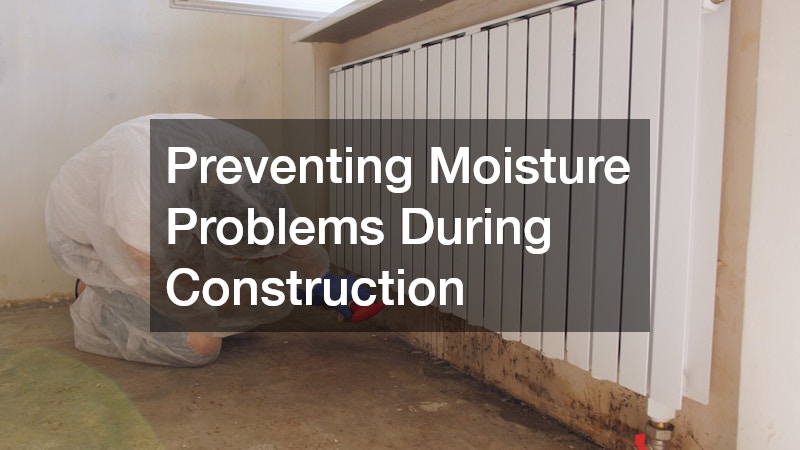
Moisture is one of the biggest risks during an expansion project. Once water enters unfinished walls, subfloors, insulation, or ceiling cavities, damage can spread quietly. By the time stains or odors appear, the problem may already be expensive.
A strong moisture prevention plan should be active every day, not only when rain is forecast. Exposed framing should be covered at the end of each workday when needed. Materials should be stored off the ground. Openings should be sealed before storms. After heavy rain, someone should inspect the work area for puddles, damp insulation, or wet sheathing.
The connection point between the existing home and new addition deserves special attention. If flashing, sealants, or drainage paths are not handled correctly, leaks can develop where the structures meet. Small leaks may eventually require roof repair, drywall replacement, or mold remediation.
Moisture can also come from inside the home. Dust barriers and temporary plastic sheeting are useful, but they can trap humidity if there is poor ventilation. During active construction, keep air moving where appropriate and watch for condensation around sealed-off areas.
Watching for Early Warning Signs
Be alert for signs such as:
- Musty odors near the construction zone
- Damp spots on ceilings or walls
- Soft flooring near exterior walls
- Fogging or condensation in sealed areas
- Dark staining around new openings
These symptoms should be addressed immediately. Waiting a few weeks can turn a small moisture issue into a major repair.
Managing Access Routes and Daily Movement
Construction crews need access, but uncontrolled access can damage parts of the home that were never meant to function as work zones. Before the project begins, agree on specific paths for workers, equipment, deliveries, and debris removal.
This is where simple planning makes a big difference. Protective floor coverings can prevent scratches. Temporary barriers can keep dust from spreading. Plywood can protect lawns or driveways from heavy loads. Clear rules can keep tools and materials from ending up in family spaces.
Pay attention to entry points that will be used repeatedly. If workers enter through a side door, basement, or garage, that area may see more wear in two months than it normally would in a year. A garage door can be dented, knocked off track, or strained if it is constantly used for material movement without care.
Instead of leaving access informal, create a plan:
- Choose one primary entrance for workers.
- Mark off areas that are off-limits.
- Protect flooring and thresholds before the first workday.
- Set expectations for cleanup at the end of each day.
- Keep children and pets away from active paths.
A clear access plan keeps the project safer and helps preserve the parts of the home not being remodeled.
Reducing Disruptions to Everyday Routines
Even a well-run expansion project can interrupt normal life. Power may be shut off for short periods. Water may be unavailable during certain work phases. Dust may reach rooms you thought were sealed. Noise may make remote work difficult.
The key is to plan around these disruptions rather than react to them each time they happen. Ask your contractor for advance notice before utility interruptions. If possible, schedule noisy or disruptive work when it affects your household least.
Appliances also deserve attention. Power fluctuations, dust, and repeated electrical work can sometimes affect performance. For example, if your kitchen remains in use during construction, keep an eye on cooling consistency, strange noises, or electrical issues that may lead to refrigerator repairs.
This does not mean you need to worry about every sound or flicker. It simply means your home is under unusual strain, and small changes are worth noticing. If an appliance starts acting differently during the project, mention it early instead of waiting until it fails.
For families living in the home during construction, a temporary routine can help. Set up a clean zone away from the work area. Keep essential items in easy-to-reach places. Use air purifiers if dust becomes a problem. The project will still be inconvenient, but it does not have to feel chaotic.
Maintaining Structural Stability Throughout the Project
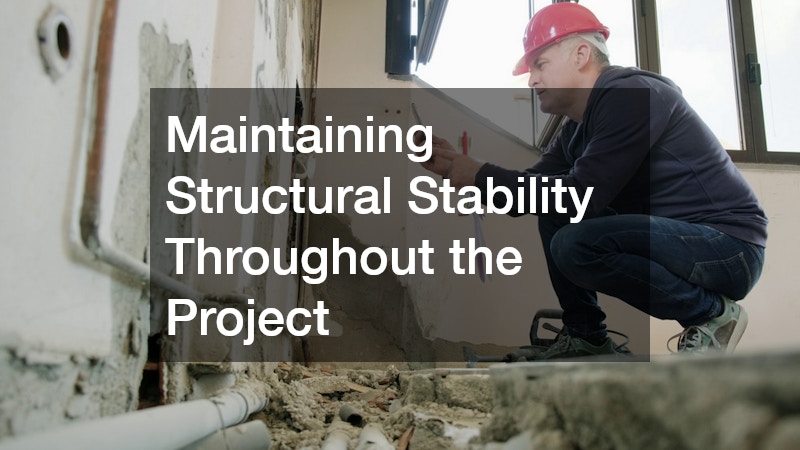
Expansion work changes how parts of a home carry weight, resist movement, and connect to surrounding soil. That does not mean homeowners need to become engineers, but they should understand that structural protection is not a one-time concern.
During excavation or framing, ask questions when something seems unclear. Where will temporary supports be placed? How will the existing structure be protected when walls are opened? What happens if unexpected soil conditions are found?
The answers should be specific. Vague reassurance is not enough when your home’s stability is involved. Good contractors are usually willing to explain the sequence of work because careful sequencing protects both the project and the property.
Walk around the home occasionally during the project and look for changes. A new crack, a door that suddenly sticks, or a sloping section of floor should be reported right away. These signs do not always indicate a serious issue, but they deserve attention.
The most important thing is not to ignore movement. Expansion projects create vibration, added loads, and soil disturbance. Regular observation gives you a better chance of catching concerns before they become larger problems.
Securing Openings and Protecting Private Spaces
During an expansion, your home may have temporary openings, unfinished walls, or exposed access points. Security can become more complicated, especially when multiple workers, subcontractors, inspectors, and delivery drivers come and go.
Start with physical boundaries. Temporary doors, locks, fencing, and barriers help separate the construction zone from living areas. If a section of the house is open overnight, ask how it will be secured from weather, animals, and unauthorized entry.
Automated systems should also be checked during the project. Dust, vibration, and repeated access can interfere with sensors, tracks, and controls. If crews frequently use the garage, test the garage door opener regularly to make sure it still responds properly and reverses safely when needed.
Private spaces need their own protection plan. Move valuables, personal documents, medications, and fragile items away from work areas. Even trustworthy crews should not have to navigate around sensitive belongings. Reducing access reduces risk.
A homeowner may think, “They are only working in the back of the house,” but construction has a way of spreading. Someone may need to access the panel, attic, basement, or utility room unexpectedly. Preparing those spaces ahead of time prevents rushed decisions later.
Inspecting the Home Before Final Payment
The final walkthrough should be more than a quick look at paint, trim, and flooring. A new space can look beautiful while still hiding issues in systems, drainage, insulation, or connections to the existing home.
Take your time during the final inspection. Open and close doors and windows. Test outlets and switches. Run water if plumbing was added. Check airflow in the new space. Look at ceilings and corners for staining. Walk the exterior and inspect grading, gutters, siding transitions, and drainage.
It is also wise to inspect areas adjacent to the work zone. Damage does not always appear inside the new addition. Sometimes it shows up in nearby rooms, attic spaces, crawl spaces, or exterior surfaces.
Rather than trying to remember everything during one walkthrough, prepare a short checklist in advance. Bring your original photos if needed. If something looks different, ask about it. Final payment is often your strongest leverage for getting small issues corrected promptly.
Creating a Maintenance Plan After the Project
Once the work is complete, ask for maintenance guidance. New materials, systems, and connections may need follow-up checks after the home settles through a season of weather changes. Keep warranty information, permits, inspection records, and contractor contacts in one place.
Your expanded home should be monitored over the next several months. Watch how water drains after storms. Notice whether rooms heat and cool evenly. Look for small cracks as materials settle. Early attention helps protect the investment you just made.
Preserving Your Home Long After the Project Ends

A home expansion should make your property more useful, comfortable, and valuable. The best results happen when homeowners protect the existing structure with the same care they give to the new space.
That means documenting conditions, asking specific questions, planning for disruptions, watching for early warning signs, and staying involved from the first walkthrough to the final inspection. You do not need to manage every detail yourself, but you should understand what is happening and why it matters.
When protection is built into the project from the beginning, you are less likely to face preventable damage, stressful delays, or unexpected repairs. More importantly, you can enjoy the added space knowing the rest of your home was cared for along the way.