Highlights:
- The smallest functional walk-in closet typically starts around 4×4 feet, but converting a full bedroom (often 10×10 to 12×12 feet) allows for much more comfortable layouts and additional features.
- Proper walking clearance is essential—plan for at least 30 inches of walkway space, with 36 inches or more recommended for comfortable movement.
- Standard storage depths help maintain functionality, such as 24 inches for hanging clothes, 12–16 inches for shelves, and 12 inches for shoe storage.
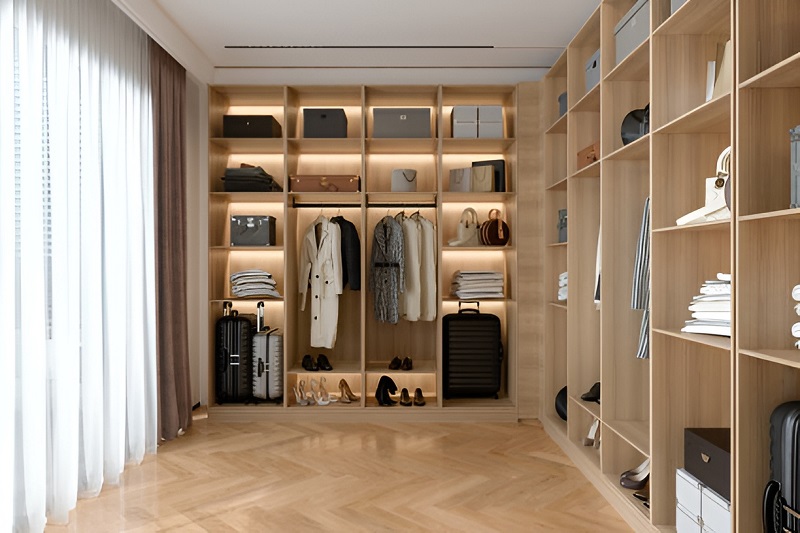
- The size of the bedroom determines what layout works best, with L-shaped and U-shaped designs maximizing storage and larger rooms allowing for features like closet islands and seating.
- Using vertical space effectively with double hanging rods, adjustable shelving, and upper storage shelves helps increase capacity without overcrowding the room.
Turning a spare bedroom into a walk-in closet is one of the most satisfying home upgrades you can make. Instead of struggling with crowded wardrobes and overstuffed dressers, you can create a dedicated space for clothing, shoes, and accessories that feels organized and easy to use.
But before you start installing shelves and hanging rods, it’s important to understand walk in closet dimensions for converting a bedroom into a closet. The right measurements make the difference between a cramped storage area and a functional dressing space.
In this guide, we’ll break down the ideal dimensions, layout considerations, and practical tips to help you design a walk-in closet that works perfectly in a converted bedroom.
Why Convert a Bedroom Into a Walk-In Closet?
Many homeowners find themselves with a spare bedroom that rarely gets used. Instead of letting the room sit empty, converting it into a walk-in closet can improve daily convenience and maximize your home’s storage potential. If you’ve been browsing different walk in closet ideas, transforming an unused bedroom is one of the most practical ways to create a spacious and highly functional closet.
A bedroom-to-closet conversion offers several advantages:
- Creates a dedicated space for organizing clothing and accessories
- Reduces clutter in your primary bedroom
- Makes getting dressed easier and more efficient
- Provides room for custom storage features
- Allows space for seating, mirrors, or a closet island
Most spare bedrooms already provide enough square footage for a generous closet layout, which makes them ideal for this type of transformation.
What Are the Minimum Walk In Closet Dimensions?
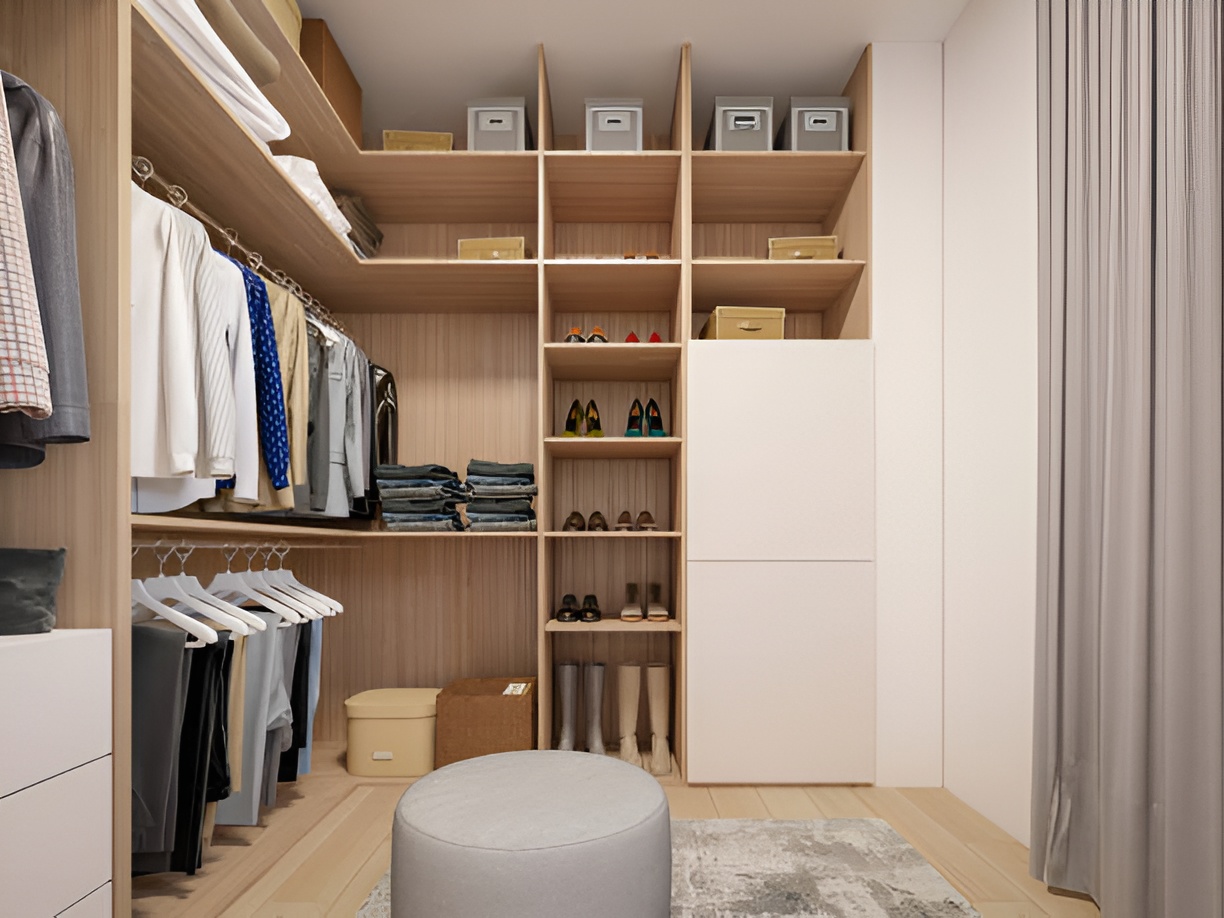
Understanding minimum size requirements is the first step when planning walk-in closet dimensions for converting a bedroom into a closet.
A walk-in closet needs enough space for both storage and comfortable movement. In most cases, the smallest functional walk-in closet measures:
- At least 4 feet by 4 feet for a very basic layout
- 5 feet by 5 feet for a more comfortable single-user closet
- 6 feet by 6 feet or larger for a walk-in with storage on multiple sides
However, when you’re converting an entire bedroom, you’ll likely have much more space available. Typical spare bedrooms range from 10×10 to 12×12 feet, which gives you plenty of room to create a luxurious closet layout.
How Much Walking Space Do You Need?
A common mistake in closet design is focusing only on storage while forgetting about walking space. Without proper clearance, even a large closet can feel cramped.
For comfortable movement, consider these walkway guidelines:
- Minimum walkway width: 30 inches
- Comfortable walkway width: 36 inches
- Luxury closet walkway: 42–48 inches
If you plan to install storage on both sides of a walkway, the space should ideally be at least 5–6 feet wide. This allows room for hanging clothes while still leaving space to move around.
For example:
- 24 inches of storage depth on one side
- 36 inches of walking space
- 24 inches of storage on the opposite side
That adds up to 7 feet of total width, which fits comfortably inside most bedrooms.
Standard Depth for Closet Storage
When designing walk-in closet dimensions for converting a bedroom into a closet, storage depth plays a big role in functionality.
Here are standard depths for common closet components:
Hanging Rod Sections
- 24 inches deep for hanging clothes
- 12 inches deep for shirts or folded clothing
Shelving
- 12–16 inches deep for folded clothing
- 10–12 inches deep for accessories or smaller items
Shoe Storage
- 12 inches deep for most shoes
- 14–16 inches for larger footwear or angled shelves
Drawer Units
- 16–24 inches deep depending on design
Keeping these measurements consistent ensures your closet feels organized instead of overcrowded.
What Bedroom Size Works Best for a Walk-In Closet?
The size of the bedroom you’re converting will determine how elaborate your closet can be.
Here’s how common bedroom sizes translate into closet possibilities.
10×10 Bedroom
A 10×10 room can comfortably support a walk-in closet with storage along two or three walls.
Possible features include:
- Double hanging rods
- Shelving units
- Shoe racks
- A full-length mirror
This size works well for a single user or a compact shared closet.
10×12 Bedroom
A slightly larger bedroom gives you more flexibility.
With a 10×12 layout, you may be able to include:
- U-shaped storage walls
- A central dressing bench
- Additional drawers and shelving
- Separate zones for different clothing types
This size is a popular choice for bedroom-to-closet conversions.
12×12 Bedroom or Larger
A larger room opens the door to luxury features.
Possible additions include:
- Closet islands with drawers
- Seating areas
- Vanity or dressing tables
- Display shelving for accessories
These larger layouts create a boutique-style dressing room experience.
What Are the Best Layouts for a Bedroom Closet Conversion?
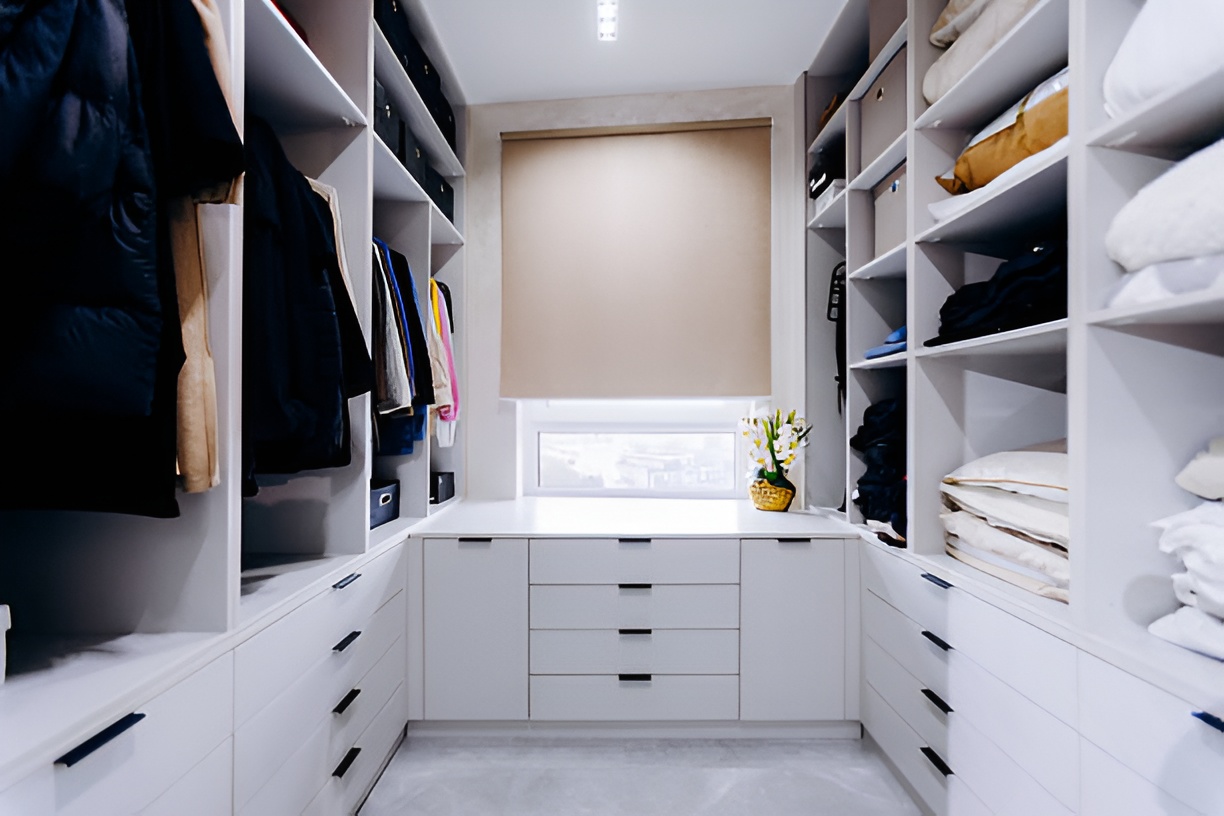
Choosing the right layout helps you make the most of available square footage.
Here are the most common layouts used when planning walk-in closet dimensions for converting a bedroom into a closet.
Single-Wall Closet Layout
This layout uses storage along one wall while leaving the rest of the room open.
Benefits include:
- Simple installation
- Lower cost
- Plenty of open floor space
However, it doesn’t maximize storage capacity.
L-Shaped Closet Layout
Storage runs along two adjacent walls.
This design works well for smaller bedroom conversions because it balances storage and open space.
Advantages include:
- Efficient use of corners
- Good walking clearance
- Flexible shelving arrangements
U-Shaped Closet Layout
Storage runs along three walls, creating a highly efficient closet design.
This layout provides:
- Maximum storage space
- Dedicated areas for different clothing types
- Balanced visual design
U-shaped layouts are ideal for medium to large bedrooms.
Island Closet Layout
In larger bedroom conversions, you can place a storage island in the center of the room.
Closet islands typically include:
- Drawers
- Jewelry storage
- Accessory organizers
For this layout to work, you’ll need at least 36–42 inches of clearance around the island.
How High Should Closet Storage Be?
Vertical space is often underused in closet design. Standard height measurements include:
Single Hanging Rod
- 66 inches above the floor
Double Hanging Rods
- Upper rod: 80 inches
- Lower rod: 40 inches
Shelf Height
- 12–15 inches between shelves for folded clothes
Top Storage Shelf
- Around 84 inches high
Using vertical space effectively allows you to store seasonal items higher while keeping daily clothing within reach.
What Storage Features Should You Include?
When planning walk-in closet dimensions for converting a bedroom into a closet, think beyond basic shelves and rods. Consider adding these features that improve organization and convenience.
- Adjustable shelving systems
- Built-in drawer units
- Pull-out shoe racks
- Jewelry organizers
- Belt and tie racks
- Laundry hampers
- Glass-front cabinets
Custom features help ensure every item has a designated place.
Should You Add Seating or a Dressing Area?
If the bedroom you’re converting is large enough, adding a dressing area can make the closet more comfortable and functional.
Common seating options include:
- Storage benches
- Upholstered ottomans
- Small armchairs
A dressing area is especially helpful when trying on outfits or putting on shoes. Just remember to maintain enough walking clearance so the space doesn’t feel crowded.
What Lighting Works Best in a Walk-In Closet?
Lighting is essential in a closet environment. Poor lighting can make it difficult to find clothing or coordinate outfits.
Consider combining multiple lighting sources such as:
- Ceiling-mounted LED lights
- Recessed lighting
- LED strip lights under shelves
- Accent lighting for display areas
Bright, evenly distributed lighting ensures every section of the closet is easy to see.
What Mistakes Should You Avoid?
Even with generous bedroom space, poor planning can lead to a frustrating closet layout.
Here are some common mistakes to avoid when planning walk-in closet dimensions for converting a bedroom into a closet.
- Ignoring Walking Clearance: Overcrowding the room with storage can make the closet uncomfortable to use.
- Using Fixed Shelving: Adjustable shelving systems allow you to adapt the closet as your wardrobe changes.
- Forgetting Electrical Needs: If you plan to add lighting, outlets, or a vanity, make sure electrical access is included in the design.
- Not Planning Zones: Without designated areas for clothing types, the closet can quickly become disorganized.
How Can You Create Functional Closet Zones?
Dividing your closet into zones helps keep everything organized and easy to find.
Common closet zones include:
- Daily Clothing: Place frequently worn items near the entrance.
- Formal Wear: Use long hanging sections for dresses, coats, and suits.
- Shoes: Install dedicated shoe shelving or racks.
- Accessories: Drawers and organizers work well for jewelry, belts, and scarves.
- Seasonal Storage: Upper shelves are ideal for off-season clothing.
Do You Need Custom Closet Systems?
Custom closet systems are popular for bedroom conversions because they maximize available space.
Advantages include:
- Adjustable storage components
- Efficient use of corners and vertical space
- Built-in organization features
However, custom closets can be more expensive than DIY shelving. If you’re working with a tighter budget, modular closet systems can provide similar flexibility at a lower cost.
How Much Does It Cost to Convert a Bedroom Into a Closet?
Costs vary depending on materials, customization, and labor.
Here’s a rough breakdown:
Basic DIY Closet Conversion
- $500–$2,000
Mid-Range Closet System
- $2,000–$5,000
Custom Luxury Closet
- $5,000–$15,000 or more
Costs increase if you add features such as islands, custom cabinetry, or specialty lighting.
Is Converting a Bedroom Into a Closet Worth It?
For many homeowners, the answer is yes. A well-designed walk-in closet can improve daily routines and add a sense of luxury to your home.
Benefits include:
- Better organization
- Less clutter in bedrooms
- Easier outfit selection
- Dedicated storage for clothing and accessories
Still, it’s important to consider how the change affects your home’s bedroom count. In some real estate markets, reducing the number of bedrooms could impact resale value. If you’re unsure, consider designing the closet so it could be converted back into a bedroom later.
Final Thoughts
Understanding walk-in closet dimensions for converting a bedroom into a closet is the key to creating a space that feels comfortable, organized, and practical.
By planning proper walking clearance, choosing the right storage depth, and selecting an efficient layout, you can transform a spare bedroom into a closet that feels both luxurious and functional.
Whether you prefer a simple storage room or a boutique-style dressing area with custom features, thoughtful design ensures your new closet works perfectly for your lifestyle.