- Plan Before You Remodel – Measure your space, assess layout options, and create a floor plan to ensure functionality and avoid costly mistakes.
- Maximize Storage with Custom Solutions – Use adjustable shelves, double hanging rods, built-in drawers, and vertical space to organize clothing, shoes, and accessories efficiently.
- Incorporate Functional and Stylish Features – Sliding or pocket doors, center islands, mirrors, and layered lighting enhance both usability and aesthetics.
- Prioritize Accessories and Seasonal Organization – Use hooks, trays, and labeled bins to keep belts, scarves, shoes, and seasonal items neat and accessible.
- Add Comfort and Personal Touches – Seating areas, rugs, artwork, and decor make the closet feel inviting and tailored to your style.
- Balance DIY and Professional Help – Determine which tasks you can tackle yourself and which need expert installation for a smooth remodel.
- Function Over Trends – Focus on usability, accessibility, and efficient storage rather than just following design trends for long-lasting satisfaction.
Unused bedrooms are a common feature in many homes. Whether it’s a spare room for guests, an office you never use, or simply an empty space, turning it into a walk-in closet is a smart way to maximize functionality and style. Walk-in closets not only provide ample storage but also enhance the aesthetic of your home. Here are 15 walk-in closet ideas to help you transform that unused bedroom into a dream storage space.
1. Assess Your Space and Layout
Before starting any remodel, it’s crucial to take stock of your unused bedroom. Understanding the room’s size, shape, and features will help you plan a functional layout.
- Measure the room’s dimensions, noting ceiling height, window placements, and door swings.
- Decide whether you want a linear layout along the walls or a more central, boutique-style setup with a center island.
- Think about your storage needs: hanging space, folded clothing, shoes, and accessories.
- Sketch a rough floor plan or use design software to visualize your ideas.
Taking time on this step ensures you’ll avoid costly mistakes later and creates a roadmap for the closet conversion.
2. Custom Shelving Systems
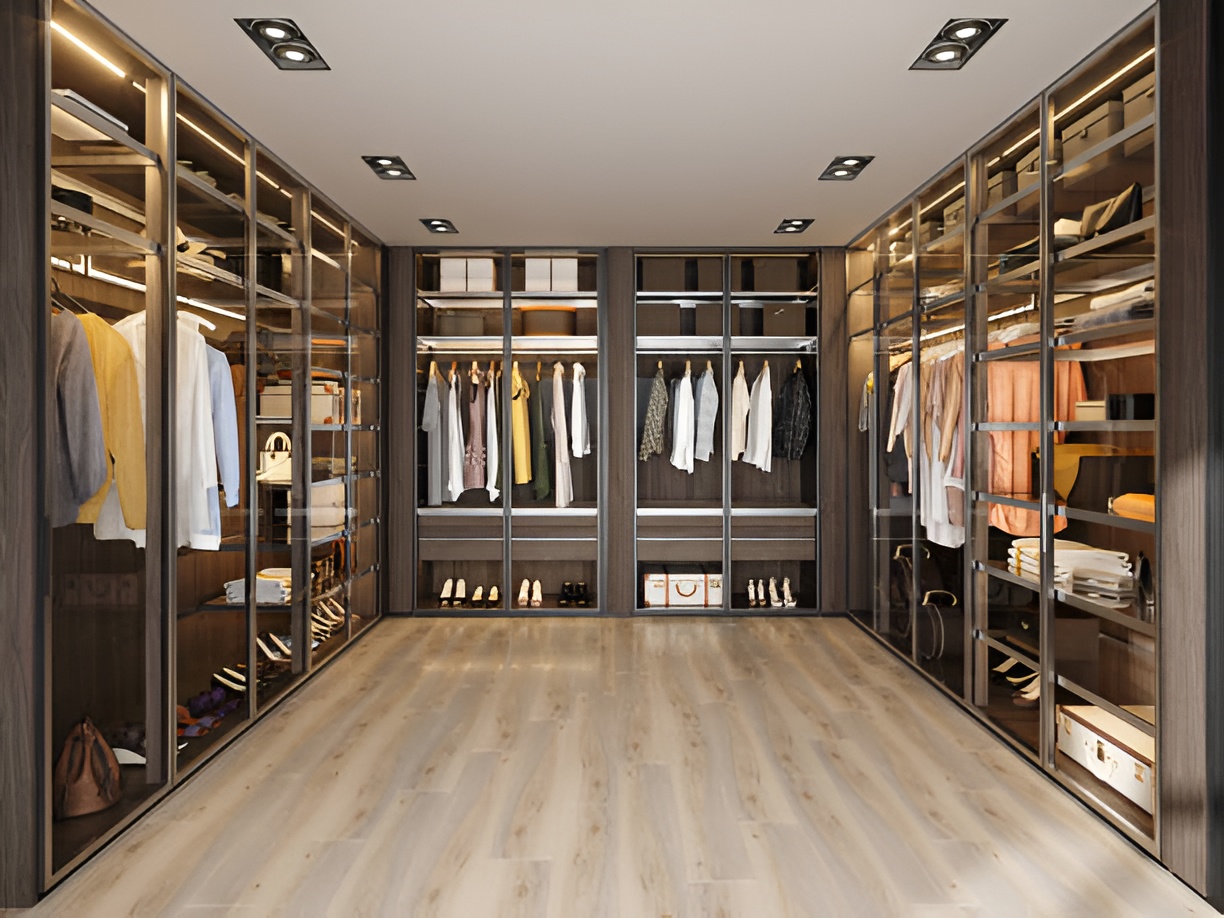
Shelving is the backbone of any walk-in closet. Custom systems allow you to tailor the space to your exact needs.
- Adjustable shelves can be reconfigured as your wardrobe changes.
- Combine open shelving for display items like handbags or hats with closed drawers for folded clothing.
- Include cubbies or vertical dividers to separate different clothing categories.
- Use high-quality materials like wood or laminate to ensure durability and a polished look.
Custom shelving not only maximizes space but also keeps the closet organized and visually appealing.
3. Double Hanging Rods
Double hanging rods are a space-saving solution that doubles your hanging capacity, especially for shorter garments like shirts and pants.
- Install one rod at about 42 inches from the floor and another at 84 inches for long-term flexibility.
- Use the top rod for seasonal clothing that you don’t use daily.
- Pair with a lower rod for everyday items for easy access.
- Consider pull-down rods if the closet has very tall ceilings.
This setup allows you to efficiently store twice as much clothing in the same area without overcrowding.
4. Sliding or Pocket Doors
Door placement can make or break a closet conversion. Sliding or pocket doors are excellent for unused bedrooms where floor space is limited.
- Sliding doors can be mirrored or frosted glass to enhance light and the perception of space.
- Pocket doors completely disappear into the wall, maximizing floor area.
- Barn-style sliding doors add a rustic or industrial charm.
- Choose smooth gliding hardware to prevent sticking and ensure durability.
These door solutions maintain a sleek, modern appearance while giving you easy access to your closet.
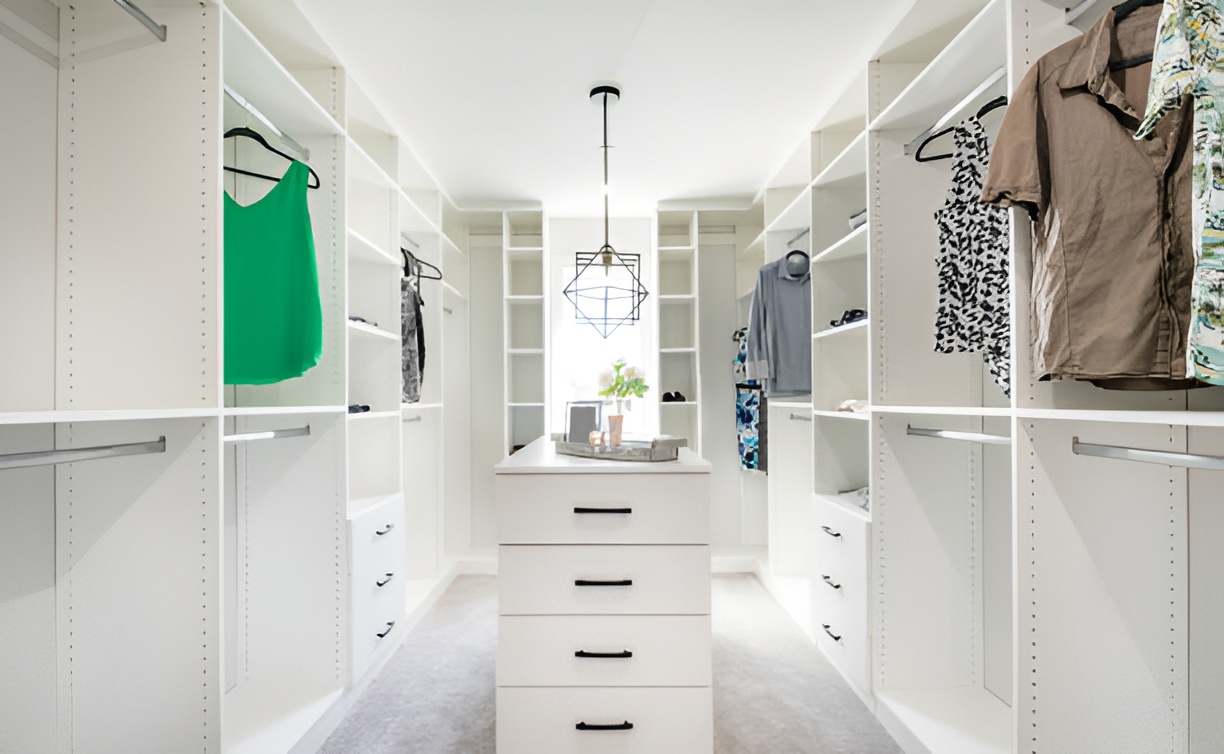
5. Incorporate a Center Island
A center island is a luxurious yet practical addition if your spare room has enough space.
- Drawers can store small items like jewelry, scarves, or undergarments.
- The top surface provides a folding or packing station.
- Open cubbies beneath the island can hold baskets or shoes.
- Use contrasting finishes or a stylish countertop for a designer look.
Center islands create a boutique-like feel while adding functional storage in the heart of your walk-in closet.
6. Use Vertical Space Wisely
Unused bedrooms often have tall ceilings that go underutilized. Using vertical space helps store more without expanding the footprint.
- Install floor-to-ceiling shelving for shoes, bags, or folded clothing.
- High shelves are perfect for off-season items or rarely used accessories.
- Include pull-down rods for hanging items in tall sections.
- Use a stylish step stool or ladder for easy access to upper shelves.
Making use of vertical space ensures your closet holds everything you need while maintaining an organized look.
7. Lighting Matters
Proper lighting transforms a closet from functional to fabulous. A well-lit space makes it easier to find items and enhances the overall ambiance.
- Combine ceiling lights, recessed lighting, and LED strips under shelves.
- Motion-activated lighting is convenient and energy-efficient.
- Consider warm-toned lights for a cozy feel or cool white for a crisp, modern look.
- Add accent lighting inside cabinets or drawers to showcase special pieces.
Investing in layered lighting ensures your closet feels inviting and easy to navigate.
8. Mirrored Walls or Doors
Mirrors are a must-have in walk-in closets for both functionality and design.
- Full-length mirrors help you check your outfit from head to toe.
- Mirrored sliding doors or panels make a small space feel larger.
- Use mirrored accents on drawers or cabinets for a touch of glam.
- Consider a combination of fixed mirrors and movable ones for flexibility.
Mirrors not only increase visibility but also add a sense of luxury to your converted room.
9. Built-In Drawers and Cabinets
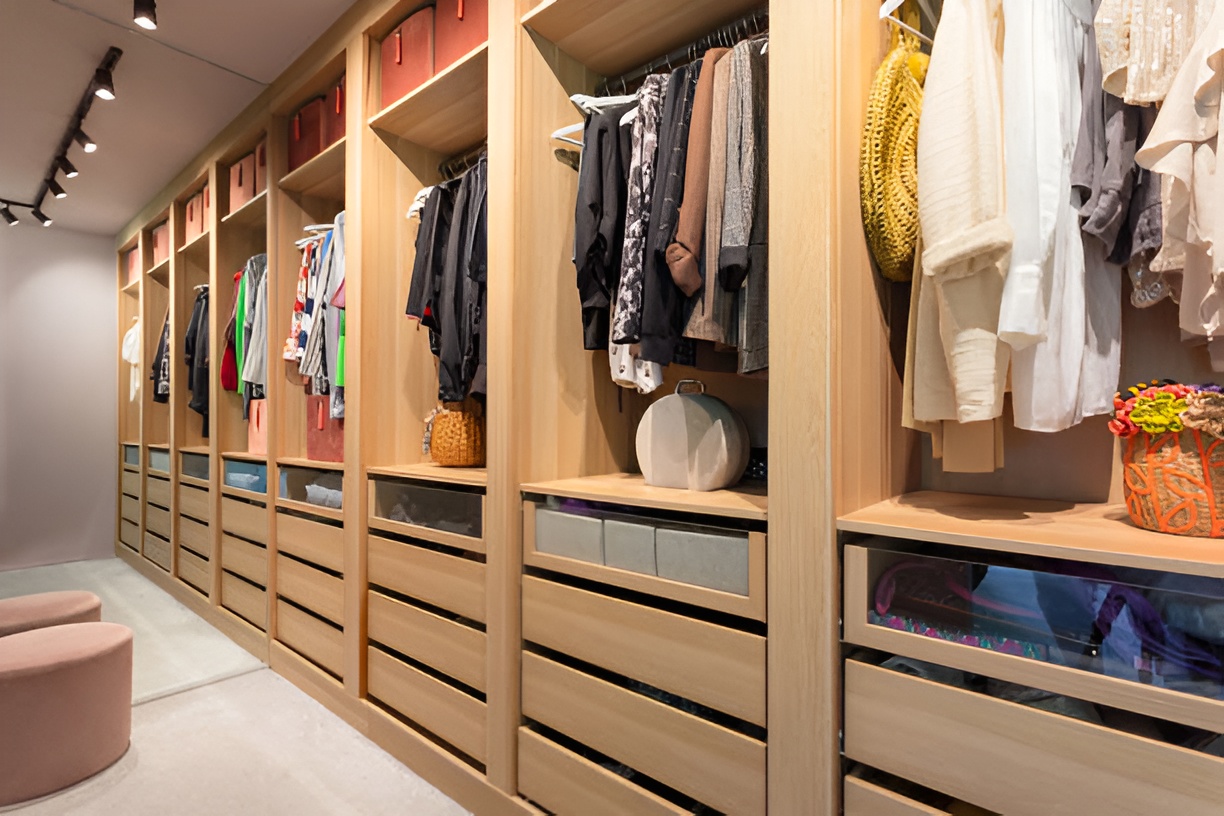
Custom drawers and cabinets provide organized storage and a refined look.
- Include drawers of varying heights for pants, sweaters, and accessories.
- Cabinets with doors conceal clutter, maintaining a clean aesthetic.
- Use dividers or trays inside drawers for jewelry, watches, or small items.
- Select finishes that complement the rest of your home for a cohesive design.
Built-in storage solutions make your walk-in closet both stylish and highly functional.
10. Shoe Storage Solutions
Shoes can be one of the hardest items to organize. Dedicated storage ensures easy access and prevents clutter.
- Angled shelves allow shoes to be displayed neatly.
- Pull-out racks or cubbies keep shoes organized and accessible.
- Transparent boxes or labeled bins protect shoes from dust and make them easy to find.
- Consider a dedicated section for boots with tall compartments.
A well-planned shoe storage system keeps your footwear organized and your closet looking polished.
11. Accessory Organizers
Belts, scarves, hats, and jewelry need special attention to avoid clutter.
- Install hooks, rods, or racks for belts and scarves.
- Use jewelry trays or velvet-lined drawers to prevent tangling.
- Small baskets or bins can hold hats or gloves.
- Rotate accessories seasonally to maintain a tidy and functional space.
Organizing accessories makes dressing easier and keeps the closet visually appealing.
12. Seating Area
A small seating area can add comfort and functionality to your closet.
- Include a bench or ottoman for putting on shoes or planning outfits.
- Storage benches allow you to hide extra items beneath the seat.
- Choose fabrics that are durable and easy to clean.
- Consider a small side table or shelf nearby for handbags or folded clothing.
Even a modest seating area enhances the user experience of your walk-in closet.
13. Add Personal Touches
Walk-in closets can feel impersonal if they’re purely functional. Adding personal touches makes the space inviting.
- Include artwork, framed photos, or decorative lighting.
- Use accent rugs to add texture and warmth.
- Choose colors, finishes, and hardware that reflect your style.
- Display a few favorite items like handbags or shoes as decor.
A personalized closet feels like a boutique experience rather than just storage space.
14. Seasonal Organization
Converting a spare room allows you to plan for seasonal wardrobe changes.
- Store off-season clothing in labeled bins or on higher shelves.
- Rotate your wardrobe as seasons change to keep your closet organized.
- Consider clear containers so you can see items at a glance.
- Keep frequently worn items at eye level for easy access.
Seasonal organization helps maintain order and ensures your closet always functions efficiently.
15. Maximize Every Nook and Cranny
Unused bedrooms often have awkward corners or alcoves. These areas can become practical storage spaces.
- Install corner shelves or cubbies for shoes or accessories.
- Use wall-mounted hooks or baskets for handbags, scarves, or hats.
- Angled racks can turn tight spaces into functional storage.
- Don’t overlook vertical walls for hanging rods or small cabinets.
Using every nook and cranny ensures that nothing goes to waste and your closet reaches its full potential.
Tips for Planning Your Closet Remodel
Converting an unused bedroom into a walk-in closet can be exciting, but jumping in without a plan can quickly lead to frustration or unexpected costs. Taking the time to plan your remodel ensures the end result is both functional and stylish. Here are practical tips to guide you through the process.
Set Your Budget First
Before buying shelves, rods, or lighting, determine how much you’re willing to spend. Include a buffer for unexpected expenses—around 10-15% of the total budget is a good rule of thumb.
- Decide how much you want to invest in custom cabinetry versus ready-made storage solutions.
- Factor in costs for professional installation if needed.
- Don’t forget small expenses like hardware, baskets, and drawer organizers.
Having a clear budget prevents overspending and helps you make smart choices for materials and design.
Measure and Assess Your Space
Accurate measurements are crucial for a successful remodel. Measure the room’s length, width, and ceiling height. Note window placements, door swings, and any structural elements like radiators or vents.
- Draw a floor plan on paper or use online design tools to visualize your closet.
- Think vertically—tall ceilings are perfect for extra shelves or hanging rods.
- Identify any awkward corners or alcoves and plan how to use them efficiently.
Proper measurements ensure that shelves, cabinets, and islands fit perfectly without crowding the space.
Determine Your Storage Needs
A great walk-in closet balances function with style. Make a list of the items you need to store:
- Hanging clothes (long dresses, shirts, pants)
- Folded clothes (sweaters, jeans, t-shirts)
- Shoes and accessories (belts, scarves, hats, jewelry)
- Seasonal items or rarely used pieces
Deciding on priorities early helps you plan shelves, rods, drawers, and specialty organizers to meet your exact needs.
Choose Materials and Finishes
Materials and finishes can transform a functional closet into a beautiful space.
- Wood or laminate shelving offers durability and a polished look.
- High-gloss cabinets give a modern, sleek feel, while matte finishes create a cozy, boutique vibe.
- Hardware like drawer pulls, knobs, and handles can double as decorative elements.
Selecting finishes that complement your home’s style ensures the closet feels cohesive rather than an afterthought.
Decide Between DIY and Professional Help
Some parts of the remodel may be easy to tackle yourself, while others—like electrical work or built-in cabinetry—might require a professional.
- DIY-friendly tasks include painting, assembling pre-made shelves, or installing hooks.
- Professional services may be needed for custom cabinetry, lighting installation, or structural changes.
- Factor labor costs and timeline differences into your plan.
Knowing what you can handle and what requires experts prevents mistakes and ensures a smoother remodel process.
Plan the Timeline
Closet remodels can vary from a weekend project to several weeks depending on complexity.
- Start with prep work like clearing the room and painting.
- Install larger elements first (cabinetry, shelves, rods) before adding small accessories.
- Allow time for adjusting shelving heights or repositioning elements as needed.
A well-structured timeline keeps the project organized and reduces stress.
Prioritize Function Over Trends
While it’s tempting to follow the latest closet trends, functionality should come first.
- Make sure shelves are adjustable, rods are at comfortable heights, and drawers are accessible.
- Consider your daily routine—frequently used items should be easy to reach.
- Use decorative touches sparingly so they don’t interfere with storage.
By putting function first, your closet will be practical, efficient, and enjoyable to use for years to come.
Wrapping Up
Turning an unused bedroom into a walk-in closet is one of the most rewarding remodeling projects. With thoughtful planning, custom storage solutions, and attention to both style and functionality, you can create a closet that is organized, efficient, and visually appealing. From shelving and double hanging rods to mirrored doors, lighting, and personal touches, these 15 walk-in closet ideas provide the inspiration you need to transform a simple spare room into a dream wardrobe haven.