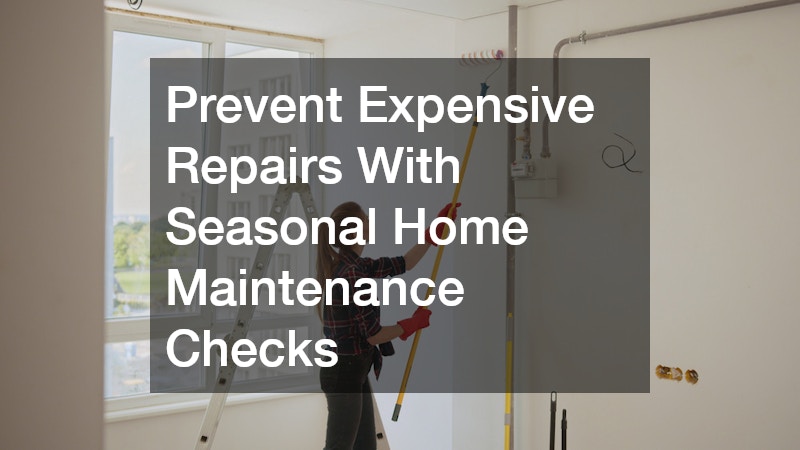
Most homeowners do not ignore maintenance on purpose. Life gets busy, budgets tighten, and small problems rarely feel urgent in the moment. A tiny leak under the sink seems manageable. A strange sound from the garage door can wait another month. A draft near the windows becomes something you simply work around.
Unfortunately, homes do not reward procrastination. Minor issues quietly spread behind walls, under flooring, and inside mechanical systems until a repair that once cost a few dollars suddenly requires thousands.
Seasonal maintenance checks help interrupt that cycle. Instead of reacting to emergencies, homeowners can catch wear and tear early, improve energy efficiency, and reduce the stress that comes with unexpected breakdowns. A smart maintenance routine does not require expert-level skills or endless weekends of work. It simply requires consistency and attention at the right times of year.
The most effective approach is to think seasonally. Weather changes place different demands on your home throughout the year, and each season creates opportunities to inspect specific systems before damage develops. By walking through your property with intention a few times a year, you can often prevent the kinds of repairs that disrupt schedules and drain savings accounts.
Inspecting Exterior Surfaces Before Weather Causes Major Damage
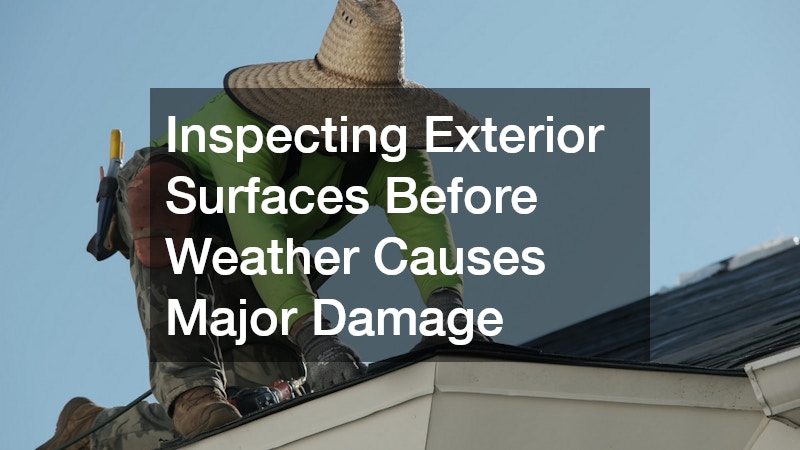
The outside of a home absorbs constant punishment from rain, heat, wind, humidity, and fluctuating temperatures. Problems that begin outdoors frequently spread inward, especially when water finds even the smallest opening.
One of the most overlooked warning signs is subtle roof deterioration. Homeowners often assume they would immediately notice roofing damage, but many leaks begin quietly beneath shingles or around flashing. By the time water stains appear indoors, moisture may already have affected insulation, drywall, or wooden framing.
A seasonal visual inspection from the ground can reveal several concerns early:
- Curling or missing shingles
- Dark streaks or moss growth
- Sagging rooflines
- Debris is collecting in valleys
- Granules accumulating near downspouts
If any of these appear, contacting a qualified roofer can help determine whether repairs are needed before structural damage develops. Waiting through another storm season often increases repair costs dramatically.
Windows deserve similar attention, particularly before extreme summer or winter temperatures arrive. Many homeowners gradually adapt to drafts and do not realize how much conditioned air escapes through aging seals. Moisture between panes, soft trim, or rising utility bills may indicate the need for window replacement before additional energy loss occurs.
A simple seasonal inspection should include running your hand around window frames during windy days, checking for condensation buildup, and examining exterior caulking for cracks. Addressing these issues early improves comfort while helping HVAC systems operate more efficiently.
Exterior drainage also plays a major role in preventing hidden damage. Overflowing gutters may not seem serious during light rain, but repeated water exposure around the foundation can lead to erosion, basement leaks, and mold growth. Fall and spring are ideal times to clear debris and confirm that downspouts direct water several feet away from the house.
One homeowner might spend an afternoon cleaning gutters and resealing exterior joints, only to avoid thousands in water intrusion repairs later. Preventive maintenance rarely feels dramatic, but that is precisely the point. The goal is to stop emergencies before they begin.
Identifying Plumbing Problems Before Water Damage Spreads
Water damage tends to move silently. Unlike a broken appliance or failed air conditioner, plumbing problems often develop gradually behind walls or underneath flooring. By the time visible signs appear, moisture may already have weakened materials and encouraged mold growth.
Bathrooms are one of the best places to begin seasonal inspections because they experience constant humidity and heavy water use. Slow drainage is often the first sign of trouble. Many homeowners ignore clogged bathtub drains until standing water becomes impossible to avoid, but minor blockages usually worsen over time.
Hair, soap residue, mineral buildup, and debris slowly narrow pipes and place additional strain on the plumbing system. Rather than relying on harsh chemical cleaners repeatedly, homeowners should focus on preventative habits like using drain screens and flushing drains periodically with hot water and vinegar.
You should also pay attention to subtle changes, including:
- Gurgling sounds after draining water
- Unpleasant odors near sinks or tubs
- Bubbling water in nearby fixtures
- Recurring slow drainage despite cleaning efforts
These warning signs may indicate larger sewer or venting issues that require professional attention from experienced plumbers before backups occur.
Kitchen plumbing deserves equal attention during maintenance checks. Inspect the area beneath sinks for dampness, corrosion, or warped cabinetry. Even small leaks can slowly damage wood and create conditions for mold growth.
Seasonal temperature shifts also create hidden plumbing risks. During colder months, exposed pipes in garages, crawl spaces, or exterior walls become vulnerable to freezing. A frozen pipe can burst unexpectedly and flood a home within minutes.
To reduce that risk:
- Insulate exposed pipes before winter
- Disconnect outdoor hoses
- Keep indoor temperatures stable during cold snaps
- Seal gaps near plumbing penetrations
Many expensive plumbing emergencies begin with small warning signs homeowners overlook for months. A tiny drip under the sink or occasional drainage issue may not seem urgent today, but ignoring those details often leads to damaged flooring, ruined drywall, and emergency repair bills later.
Preparing Heating Systems Before Cold Weather Arrives
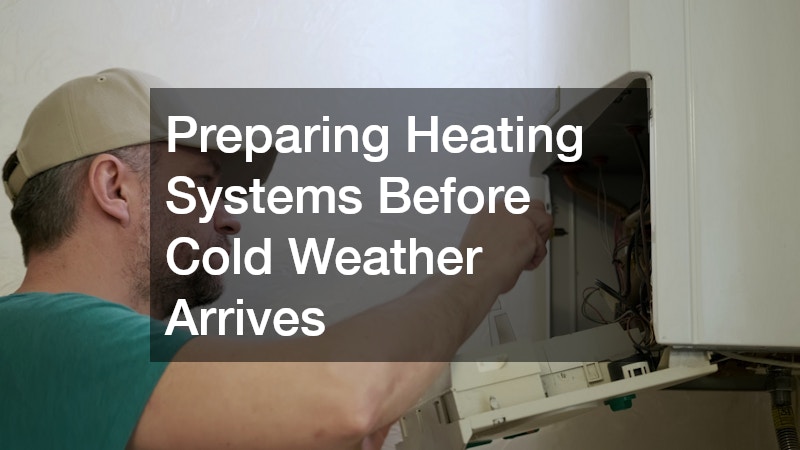
Heating systems tend to fail when they are needed most. The first cold night of the year often exposes problems that developed quietly during months of inactivity. Preventive seasonal checks can dramatically reduce the likelihood of breakdowns while improving safety and efficiency.
One of the simplest and most effective maintenance habits is replacing HVAC filters regularly. Dirty filters restrict airflow, forcing systems to work harder and consume more energy. Over time, this extra strain shortens equipment lifespan and increases operating costs.
Homeowners should also pay attention to how the system sounds and feels during operation. Uneven heating, strange odors, or unusual noises often signal developing problems. A furnace rarely stops working without warning signs first.
Some common indicators include:
- Frequent cycling on and off
- Burning or dusty smells
- Weak airflow from vents
- Sudden increases in utility bills
- Rattling or screeching sounds
Scheduling furnace repair early in the season can prevent emergency breakdowns during peak winter demand when appointment availability becomes limited.
Fireplaces and chimneys also require seasonal attention, especially in older homes. Creosote buildup inside chimney walls increases fire risk significantly, and damaged masonry can allow moisture infiltration throughout the year.
A professional chimney inspection helps identify hidden hazards such as cracks, obstructions, deteriorating liners, or improper ventilation. Even homeowners who use fireplaces occasionally should prioritize inspections because animals, debris, and moisture can create problems during the off-season.
One family might assume their fireplace is safe because it worked fine last winter, only to discover during inspection that water damage weakened internal masonry over the summer. Catching those issues early can prevent both fire hazards and costly structural repairs.
Heating systems work hardest during extreme weather. Seasonal preparation gives homeowners time to address small concerns before freezing temperatures turn manageable repairs into urgent emergencies.
Maintaining Garage Systems Before Mechanical Failures Occur
Garage doors are among the largest moving systems in most homes, yet they often receive very little maintenance. Because they operate multiple times every day, wear and tear accumulates faster than many homeowners realize.
A garage door that suddenly stops working is more than an inconvenience. It can create security concerns, safety hazards, and expensive repair bills if ignored for too long.
One of the best preventative habits is performing a monthly balance test. Disconnect the automatic opener and manually lift the door halfway. A properly balanced door should remain in place without drifting up or crashing down. If it moves significantly, the spring system may require adjustment.
Ignoring balance issues increases strain on both the door and the opener system. Over time, that stress often leads to premature motor failure or damaged components requiring overhead door repair.
Lubrication is another overlooked maintenance task that can extend system lifespan considerably. Seasonal lubrication of rollers, hinges, tracks, and springs helps reduce friction and prevent noisy operation. However, homeowners should avoid overapplying grease or using inappropriate products that attract dust and debris.
Safety sensors also deserve regular testing. Place an object beneath the door while closing it to ensure the system reverses properly. Malfunctioning sensors can create serious injury risks, particularly for households with children or pets.
The garage door opener itself often provides subtle warning signs before failure occurs. Delayed responses, inconsistent movement, or flickering control panels may indicate electrical or motor issues developing inside the unit.
Battery backups should also be tested seasonally, especially before storm seasons when power outages become more common. A backup system that no longer functions may leave homeowners unable to access their garage during emergencies.
Unlike cosmetic household issues, garage door problems tend to worsen quickly because of repeated daily use. A small vibration or alignment issue today can easily become a snapped spring or burned-out opener motor later.
Checking Outdoor Systems Before Seasonal Wear Accelerates

Outdoor systems face constant exposure to weather, sunlight, moisture, and debris. Because many of these systems operate seasonally, problems often remain unnoticed until peak usage periods arrive.
Irrigation systems are a perfect example. A homeowner may turn on the sprinklers in spring only to discover broken heads, leaking lines, or uneven coverage after months of inactivity. Left unaddressed, these issues waste water, damage landscaping, and increase utility costs.
Routine inspections help identify common concerns before they escalate. Walk through irrigation zones while the system operates and look for:
- Water pooling near sprinkler heads
- Weak spray patterns
- Dry patches in the lawn
- Overspray onto sidewalks or driveways
- Sudden drops in water pressure
Prompt sprinkler system repairs not only protect landscaping but also prevent underground leaks from eroding soil or damaging foundations over time.
Pools also require proactive care beyond simple cleaning. Mechanical components such as pumps, heaters, and filtration systems experience substantial strain during warmer months. Neglecting small maintenance tasks often leads to expensive equipment failures right when families want to use the pool the most.
A reliable pool repair company can identify early signs of wear before major breakdowns occur. Cracked seals, unusual pump noises, inconsistent water circulation, or fluctuating chemical levels may all indicate developing mechanical issues.
Outdoor surfaces should not be ignored either. Seasonal inspections of decks, patios, and surrounding hardscape help identify loose boards, cracks, standing water issues, or drainage concerns before weather exposure worsens the damage.
For example, a small crack near a pool deck may seem cosmetic at first. After repeated freeze-thaw cycles or heavy rain exposure, however, that crack can expand and create both structural and safety concerns.
Preventive outdoor maintenance is often less about perfection and more about timing. Catching wear early keeps systems functioning properly while helping homeowners avoid large repair projects later.
Creating Maintenance Habits That Reduce Long-Term Repair Costs

Many homeowners approach maintenance reactively. They respond when something breaks, leaks, or stops working. While understandable, that approach usually costs more over time.
A better strategy is creating simple seasonal routines that make inspections feel manageable instead of overwhelming. Maintenance does not need to happen all at once. In fact, spreading tasks throughout the year often improves consistency.
Some homeowners create seasonal checklists tied to weather changes:
Spring
- Inspect roofing and gutters
- Test irrigation systems
- Check windows and exterior caulking
- Service cooling equipment
Summer
- Monitor outdoor drainage
- Inspect decks and patios
- Clean garage door tracks
- Watch for plumbing leaks during heavy usage
Fall
- Replace HVAC filters
- Schedule heating inspections
- Clear leaves from the drainage systems
- Winterize outdoor plumbing
Winter
- Monitor indoor humidity
- Check for drafts and insulation gaps
- Test backup power systems
- Inspect for ice-related damage
These routines become easier with repetition. Over time, homeowners begin recognizing how their property behaves seasonally and can identify unusual changes faster.
Documentation also matters more than many people realize. Keeping records of inspections, repairs, warranties, and service visits helps track recurring issues and improve long-term budgeting decisions.
For instance, if a homeowner notices repeated drainage problems every spring, that pattern may point toward a larger underlying issue requiring professional evaluation. Without records, those connections are often missed.
Maintenance habits also help reduce emotional stress. Emergency repairs rarely happen at convenient times, and unexpected expenses can quickly disrupt financial plans. Preventive care provides more control over both timing and costs.
Importantly, homeowners should recognize when professional expertise is necessary. DIY maintenance can be valuable, but some systems require trained evaluation for safety and effectiveness. Electrical concerns, structural movement, major plumbing issues, and combustion systems should never be ignored or handled carelessly.
The goal of seasonal maintenance is not perfection. Every home experiences wear over time. Instead, the goal is awareness. Homes communicate problems gradually through sounds, smells, stains, drafts, vibrations, and performance changes. Regular inspections help homeowners notice those signals before damage spreads.
A house that receives steady attention generally ages better than one that only receives emergency repairs. Small seasonal efforts compound over time, protecting not only the structure itself but also the comfort, safety, and financial stability of the people living inside it.
Staying proactive may never feel as urgent as handling a major emergency, but that quiet consistency is exactly what prevents costly surprises later.