Why Planning Your Outdoor Upgrade Matters
A well-designed outdoor space can completely transform how you use your home. Whether you’re hosting gatherings, enjoying quiet evenings, or increasing your property value, thoughtful planning is the foundation of a successful backyard upgrade. Too often, homeowners jump straight into construction without considering layout, materials, or long-term maintenance. This can lead to costly mistakes, mismatched designs, or spaces that simply don’t function as intended.
Planning ahead allows you to align your vision with your budget, timeline, and lifestyle. It also helps ensure that every element—from structure to finishing touches—works together cohesively. In this guide, you’ll learn how to approach your backyard upgrade step by step, making informed decisions that lead to a space you’ll enjoy for years to come.
Assess Your Outdoor Space and Define Your Goals
Before you begin designing, take a close look at your current outdoor area. Start by measuring the space and noting any natural features like slopes, trees, or drainage patterns. These factors will influence how you structure both decks and patio areas and determine what’s realistically possible.
Think about how you want to use the space. Are you planning to entertain guests regularly? Do you want a quiet retreat for relaxation? Maybe you need a family-friendly area for kids to play. Defining these goals early will guide your layout decisions and help you prioritize features.
It’s also important to consider how your outdoor space connects to your home. Ideally, your design should create a natural flow between indoor and outdoor living areas. For example, placing a patio just outside your kitchen can make outdoor dining more convenient, while positioning decks near living rooms can extend your usable space.
Sun exposure and privacy are equally important. Observe how sunlight moves across your yard throughout the day. This will help you decide where to place seating areas, dining zones, or shaded sections. If privacy is a concern, you may want to incorporate landscaping or structural elements to create a more secluded environment.
Set a Realistic Budget and Project Timeline
Budgeting is one of the most critical steps in any home improvement project. Start by determining how much you’re willing to invest, then break that number down into categories such as materials, labor, permits, and extras like lighting or furniture.
If you’re considering hiring a deck contractor, it’s helpful to get multiple estimates early in the process. This gives you a clearer understanding of market rates and helps you avoid surprises later. Keep in mind that experienced deck contractors often charge more, but their expertise can save you time and prevent costly errors.
You’ll also need to decide whether to handle any part of the project yourself. While DIY can reduce costs, it requires time, tools, and a certain level of skill. For more complex builds, hiring professionals is usually the safer and more efficient option.
When it comes to timelines, factor in everything from design and permitting to construction and finishing. Weather can also play a significant role, especially if your project involves outdoor work over several weeks. Building in some flexibility will help you stay on track even if delays occur.
Choose the Right Materials for Durability and Style
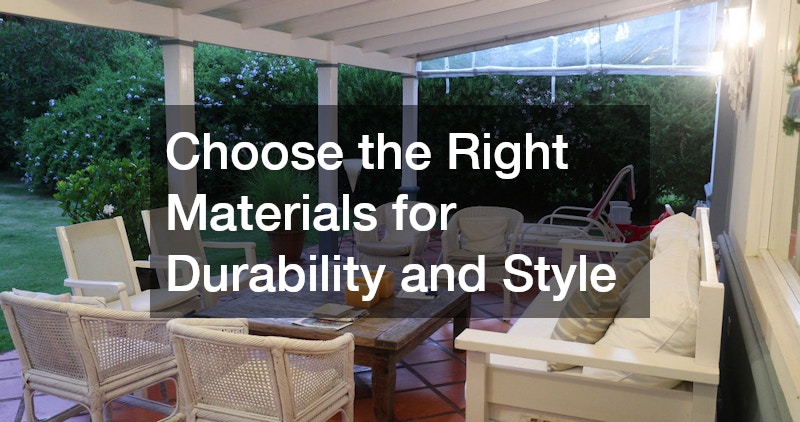
Selecting the right materials is essential for both the appearance and longevity of your outdoor space. You’ll need to balance aesthetics, durability, and maintenance requirements to find the best fit for your needs.
If you’re using wood, sourcing high-quality materials from a reliable lumber supply is crucial. Different types of wood offer varying levels of resistance to moisture, insects, and wear. Pressure-treated lumber is a common choice, while hardwoods like cedar or redwood provide a more premium look.
Alternatively, you might consider working with a composite deck company to explore modern materials. Composite options are designed to mimic the look of wood while offering greater durability and lower maintenance. They resist fading, warping, and cracking, making them a popular choice for homeowners who want a long-lasting solution.
When choosing materials, think about how they will perform in your local climate. Consider factors like humidity, temperature fluctuations, and exposure to sunlight. Investing in quality materials upfront can reduce maintenance costs and extend the lifespan of your outdoor structures.
Design a Functional Layout for Entertaining and Comfort
A well-planned layout can make your outdoor space more enjoyable and easier to use. Start by dividing the area into functional zones, such as dining, lounging, and cooking. This helps create a sense of organization and ensures that each part of the space serves a purpose.
Incorporating multi-level decks can add visual interest and improve flow, especially if your yard has uneven terrain. Different levels can be used to separate activities or create a more dynamic design.
Adding patio covers is another effective way to enhance functionality. These structures provide shade and protection from the elements, making your space usable in a wider range of weather conditions. They can also help define specific areas within your layout, such as a covered dining section.
When planning your layout, think about furniture placement and traffic flow. Make sure there’s enough room to move comfortably between areas, and avoid overcrowding the space. A thoughtful design will make your outdoor area feel inviting and practical.
Plan for Shade, Weather Protection, and Year-Round Use

Creating a comfortable outdoor environment means planning for more than just sunny days. Shade and weather protection are key to making your space usable throughout the year. Without these elements, even the most beautifully designed setup can become uncomfortable or impractical during extreme heat, rain, or seasonal changes.
Solar shades are a versatile option for controlling sunlight and reducing heat. They can be installed on pergolas, porches, or other structures to provide adjustable coverage. This allows you to enjoy your outdoor space even during the hottest parts of the day. Many options are retractable, giving you flexibility to let in light when desired or block harsh rays when needed. They also help reduce glare, making outdoor dining or relaxing more enjoyable, especially during peak daylight hours.
In addition to shades, consider installing patio covers for more permanent protection. These structures can shield your space from rain and UV exposure, helping to preserve furniture and surfaces over time. Solid covers provide consistent protection, while lattice or partially open designs allow for airflow and filtered light, striking a balance between comfort and openness.
Think about how you can adapt your space for different seasons. Adding features like outdoor heaters, fire pits, or wind barriers can extend usability into cooler months. Even simple additions like weather-resistant curtains or rugs can improve comfort. With the right planning, your backyard can become a year-round retreat that adapts to changing conditions while maintaining its appeal.
Hire the Right Professionals for a Smooth Build
Choosing the right professionals can make a significant difference in the success of your project. Start by researching local deck contractors and reading reviews from previous clients. Look for companies with a proven track record and a portfolio of completed projects.
When interviewing a deck contractor, ask about their experience, licensing, and insurance. It’s also important to discuss timelines, payment schedules, and any potential challenges specific to your project.
Clear communication is essential throughout the process. Make sure you understand the scope of work and have everything documented in a written contract. This helps prevent misunderstandings and ensures that both parties are on the same page.
Be cautious of unusually low estimates, as they may indicate lower-quality materials or inexperienced labor. Investing in skilled professionals can save you time, reduce stress, and result in a higher-quality finished product.
Enhance Visual Appeal with Finishes and Colors
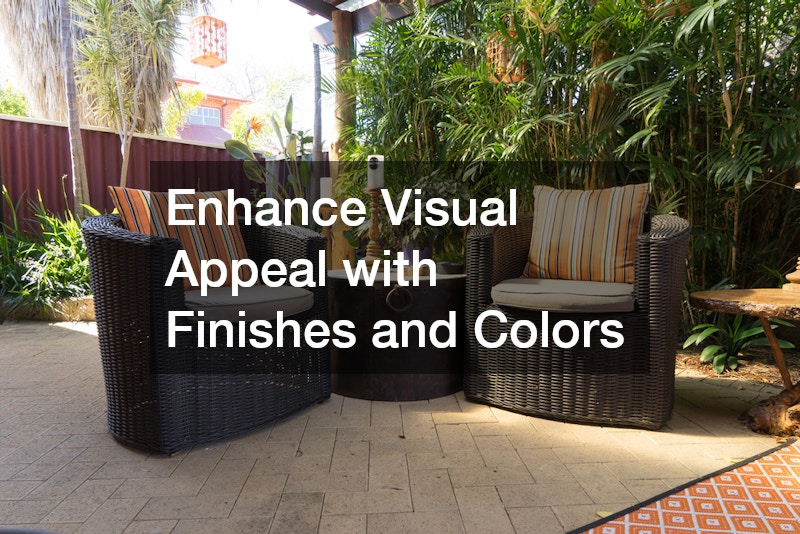
The finishing touches of your outdoor space play a major role in its overall appearance. Choosing the right colors and finishes can tie everything together and create a cohesive look.
Hiring an exterior painting service can help you achieve a professional result, especially for larger or more detailed projects. They can recommend the best products for outdoor use and ensure proper application for long-lasting durability.
When it comes to decks, you’ll need to decide between staining and painting. Stains tend to highlight the natural grain of the wood, while paint offers more color options and a uniform finish. Each option has its own maintenance requirements, so consider what works best for your lifestyle.
Coordinating colors across different elements—such as railings, furniture, and structures—can create a polished and inviting space. Don’t be afraid to experiment with accents or contrasting tones to add visual interest.
Add Features That Increase Comfort and Functionality
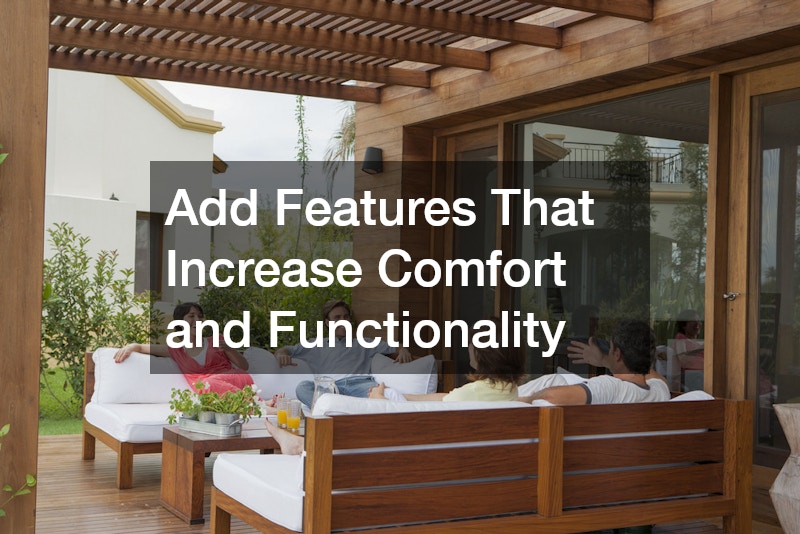
Once the main structure is in place, you can enhance your outdoor space with features that improve comfort and usability. Lighting is a great place to start, as it adds both ambiance and safety. Consider layering different types of lighting to create a warm and functional environment. Overhead fixtures can illuminate dining or seating areas, while pathway lighting helps guide movement and prevent trips or falls. Accent lighting, such as string lights or spotlights, can highlight architectural features or landscaping, adding depth and character to the space.
Incorporating solar shades can provide additional privacy and temperature control, making your space more comfortable throughout the day. They’re especially useful for areas that receive direct sunlight, as they help reduce glare and heat without completely blocking natural light. Adjustable options allow you to control coverage based on the time of day, giving you flexibility and comfort.
Upgrading your patio with built-in seating, planters, or fire features can make it more functional and visually appealing. Built-in benches maximize seating without cluttering the space, while planters can introduce greenery and define different zones. Fire features, such as fire pits or outdoor fireplaces, create a focal point and extend usability into cooler evenings.
Think about how you can personalize your space to suit your lifestyle. Small details, like decorative elements, outdoor rugs, cushions, or custom features, can make a big difference in how your outdoor area feels, turning it into a space that truly reflects your preferences.
Ensure Proper Permits, Codes, and Safety Measures
Before construction begins, it’s important to understand local building codes and permit requirements. These regulations are in place to ensure safety and compliance, and failing to follow them can result in fines or delays.
Experienced deck contractors are usually familiar with these requirements and can help guide you through the process. They can handle permit applications and ensure that your project meets all necessary standards.
If you’re working with a composite deck company, they may also provide guidance on specific material requirements or installation practices that align with local codes.
Safety should always be a top priority. This includes proper railings, secure stairs, and adequate structural support. Taking the time to address these details will help protect both your investment and the people using the space.
Plan for Long-Term Maintenance and Upkeep
Maintaining your outdoor space is essential for preserving its appearance and functionality over time. Regular upkeep can prevent small issues from becoming major problems.
Start by creating a maintenance schedule that includes cleaning, inspections, and minor repairs. For wood structures, this may involve resealing or staining every few years. Having access to a reliable lumber supply can make it easier to find matching materials for repairs.
An exterior painting service can also help with periodic touch-ups or refinishing, ensuring that surfaces remain protected from the elements. Professional maintenance can extend the life of your investment and keep your space looking its best.
By planning for maintenance from the beginning, you’ll be better prepared to handle the ongoing care your outdoor space requires.
Bringing Your Outdoor Vision to Life
Upgrading your backyard is an exciting opportunity to create a space that reflects your lifestyle and enhances your home. With careful planning, thoughtful design, and the right team in place, you can build an outdoor area that’s both beautiful and functional.
Taking the time to assess your needs, choose quality materials, and plan for long-term use will set you up for success. Whether you’re starting from scratch or improving an existing space, a well-executed plan ensures that every detail works together seamlessly.
As you move forward, focus on making decisions that align with your goals and priorities. The result will be a backyard you can enjoy for years to come.