Seasonal home maintenance is one of those responsibilities that’s easy to put off—until something breaks. A small crack becomes a leak, a minor draft turns into a spike in your energy bill, and suddenly what could have been a simple fix turns into a costly repair. Staying ahead of these issues doesn’t require perfection, but it does require consistency. By aligning your maintenance habits with the seasons, you can catch problems early, extend the life of your home’s systems, and avoid unnecessary stress.
It also helps shift your mindset. Instead of viewing maintenance as a chore, it becomes a way to protect your time, your finances, and your comfort. Think of it like routine health checkups—small, regular efforts that prevent bigger problems later. Over time, these habits compound, making your home more resilient and far less prone to surprise breakdowns.
Below is a practical, season-by-season guide designed to help you stay proactive without feeling overwhelmed.
Inspecting and Refreshing Your Home After Winter
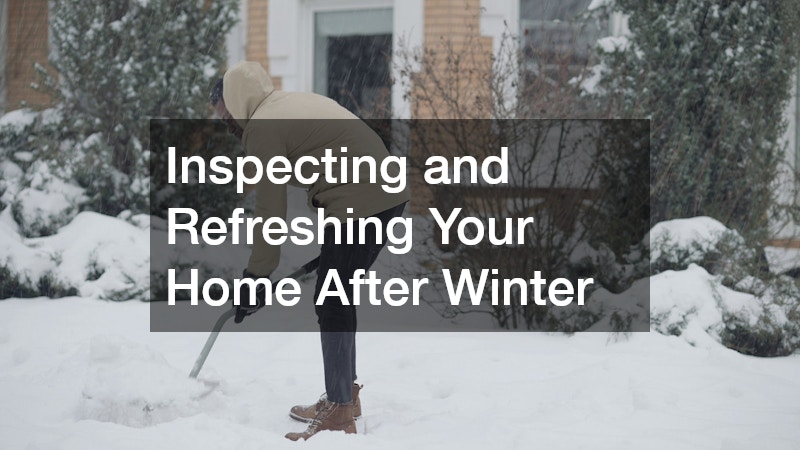
Winter tends to be the most punishing season for a home. By the time spring arrives, your property has likely endured freezing temperatures, moisture buildup, and heavy winds. That makes early spring the ideal time to assess what needs attention.
Start at the top—literally. Your roof and gutters are often the first line of defense against the elements, and they take a beating during colder months. Look for missing shingles, sagging areas, or debris clogging your gutters. Even if everything appears fine from the ground, subtle damage can lead to leaks once spring rains arrive. If anything seems questionable, it’s worth having a roofer take a closer look before minor issues escalate. Many homeowners only realize there’s a problem when they notice water stains on ceilings, but by then, the damage has already spread.
As you move around your home’s exterior, pay attention to siding, window seals, and foundation edges. Cold weather can cause materials to expand and contract, leaving behind tiny gaps. These gaps might not seem urgent, but they can allow moisture to seep in or pests to find their way inside. A simple resealing job now can prevent far more expensive repairs later.
Inside the home, your HVAC system deserves equal attention. Even though winter is ending, this is the perfect window to schedule heating repair if anything felt off during the colder months. Maybe certain rooms never warmed evenly, or your system made unusual noises. Addressing these now prevents scrambling for repairs when temperatures drop again later in the year. It also gives technicians more availability, since demand tends to spike during peak winter.
Don’t forget to step outside and walk your property. Wooden structures, especially fences, often show signs of wear after winter. Warping, loose boards, or weakened posts can quickly worsen if ignored. Taking care of fence repairs early helps maintain both safety and curb appeal. In some cases, a professional fence company can reinforce or replace sections to ensure long-term durability. This is especially important if your fence provides privacy or security—waiting too long can lead to structural failure.
Spring maintenance is less about perfection and more about resetting your home after a demanding season. A few hours of inspection and minor repairs can save weeks of frustration later. Even setting aside one weekend to focus on these tasks can make a noticeable difference in how your home performs throughout the rest of the year.
Improving Efficiency and Performance During Warmer Months
Summer brings longer days and heavier system usage, especially when it comes to electricity and water. This is the season to focus on efficiency—not just to save money, but to prevent overload-related issues.
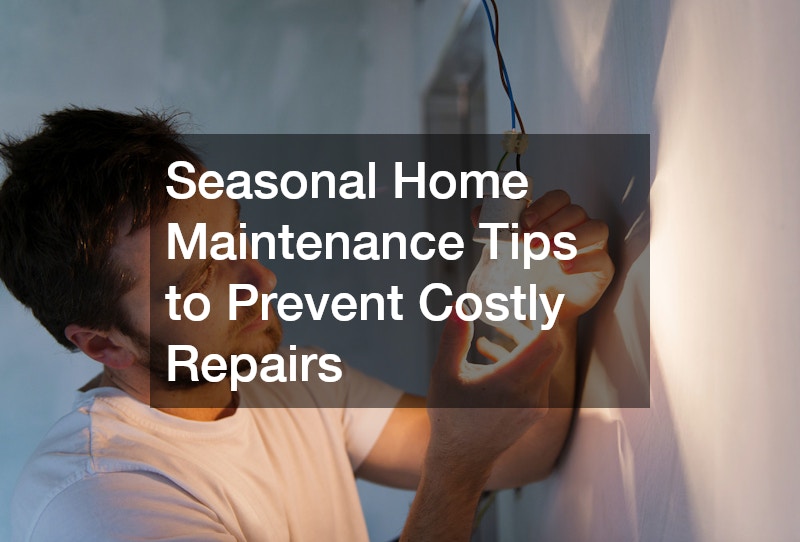
Electrical systems, in particular, tend to work harder in the summer. Air conditioning units, fans, and outdoor equipment all add strain. If you’ve ever noticed flickering lights or tripped breakers during peak usage, that’s a sign your system may need attention. Consulting local electricians can help identify outdated wiring or overloaded circuits before they become hazards. Even something as simple as upgrading a panel or redistributing electrical load can significantly improve safety and performance.
It’s also worth thinking about how your home handles power surges during storms, which are more common in summer months. Surge protectors, proper grounding, and updated wiring can all reduce the risk of damage to appliances and electronics.
Water usage tends to increase as well, whether it’s for irrigation, cleaning, or general household needs. That makes it a great time to evaluate how efficiently your home handles water. Checking for leaks, monitoring water pressure, and maintaining water filtration systems can all make a noticeable difference. Clean, properly filtered water isn’t just a convenience—it reduces strain on plumbing and appliances over time. If you’ve noticed buildup on fixtures or inconsistent water quality, addressing it now can prevent long-term damage.
Then there’s your outdoor space. Heat can be just as damaging as cold when it comes to surfaces like asphalt and concrete. If your driveway has small cracks, summer heat can cause them to expand quickly. Sealing and maintaining your driveway during this season can prevent more expensive resurfacing down the line. It also improves appearance, which can be especially important if you’re hosting guests or spending more time outdoors.
Consider your landscaping as part of your maintenance plan too. Overgrown roots can interfere with walkways, pipes, and even foundations. Regular trimming and monitoring keep your property both safe and visually appealing. Taking time to water strategically and avoid over-saturation can also protect soil stability around your home. In hotter regions, installing shade elements or protective coatings on outdoor surfaces can further reduce heat-related wear.
Summer maintenance is about balance—keeping your home running efficiently while minimizing wear from increased usage. Small adjustments during this season often lead to noticeable savings and fewer unexpected repairs.
Preparing Indoor Spaces and Systems for Colder Weather
Fall often feels like a transition period, but when it comes to home maintenance, it’s one of the most important seasons. What you do during these months can directly impact how well your home handles winter.
Inside, take a closer look at the spaces you use most frequently. Kitchens, for example, see a lot of activity as the holidays approach. Cabinets can loosen, hinges can wear out, and surfaces may show signs of aging. Addressing issues with a cabinet now—tightening hardware, repairing minor damage, or refreshing finishes—can extend its lifespan and improve functionality when you need it most. It’s much easier to fix these issues before your kitchen becomes the center of gatherings and daily use increases.
Flooring is another area that benefits from early attention. Whether you have hardwood, tile, or carpet, fall is a good time to assess wear and tear. Small scratches, loose tiles, or worn areas can worsen during winter when indoor traffic increases. Bringing in a professional floor service for inspection or refinishing can help protect your investment and keep your home looking its best. Even simple steps like adding rugs in high-traffic areas can reduce wear significantly.
Fall is also a great time to focus on insulation and sealing. Drafts that seem minor in mild weather can become major discomforts once temperatures drop. Checking window seals, door frames, and attic insulation can make a noticeable difference in both comfort and energy efficiency.
This is also a strategic time to think about energy usage. If you’ve been considering upgrades, such as a home ev charger installation, fall offers a practical window to plan and complete the project before winter conditions make installations more challenging. Ensuring your electrical system is ready for increased demand is key to avoiding disruptions later.
Fall maintenance is about preparation—making small, thoughtful improvements now so your home can handle the demands of the colder months ahead. A little foresight during this season often prevents the most stressful winter emergencies. Even dedicating a few evenings each week to small tasks can create a strong foundation for the season ahead.
Protecting Your Home During Harsh Winter Conditions
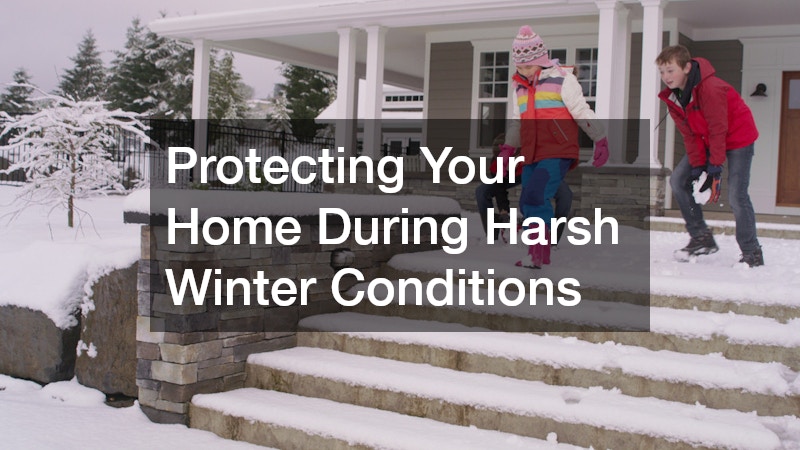
Winter doesn’t leave much room for error. Once temperatures drop, even minor issues can escalate quickly, so the focus shifts from improvement to protection.
Heating becomes your home’s most critical system. Pay attention to how it performs daily. Uneven heating, strange noises, or frequent cycling can all signal underlying problems. Regularly checking filters and vents can improve efficiency, but deeper concerns should be addressed before they lead to system failure. If your system struggles during extreme cold, it’s often a sign that earlier maintenance was missed.
It can also help to adopt a routine during winter. For example, take a few minutes each week to check key areas of your home. Are there new drafts? Is condensation forming on windows? Are any unusual smells or sounds coming from your heating system? These small observations can help you catch issues early.
Outside, snow and ice create their own set of challenges. Walkways, roofs, and drainage areas all require attention. Ice buildup can damage structures and create safety hazards, while improper drainage can lead to water pooling around your foundation. Keeping these areas clear isn’t just about convenience—it’s about preventing long-term damage. Even something as simple as redirecting water flow away from your home can make a big difference.
It’s also helpful to think in terms of readiness. Having a simple winter maintenance checklist can make a big difference. For example:
- Check insulation around doors and windows
- Monitor pipes in colder areas of the home
- Keep essential tools accessible for quick fixes
- Inspect attic spaces for moisture buildup
Sometimes, the most effective winter maintenance isn’t about fixing problems—it’s about catching them early enough that they never fully develop. Staying observant during this season is one of the best ways to avoid emergencies. Even small actions, like clearing vents after a snowstorm or checking for ice dams, can prevent significant damage. Taking a few minutes after each storm to assess your home can help you stay ahead of issues before they worsen.
Building Consistent Habits That Reduce Long-Term Costs
While seasonal maintenance is important, the real key to preventing costly repairs lies in consistency. Small, routine habits can make a significant difference over time.
One of the most effective strategies is to create a simple maintenance calendar. It doesn’t need to be complicated—just a monthly or seasonal checklist that reminds you to inspect key areas of your home. Spacing tasks out throughout the year makes them more manageable and less overwhelming. Over time, these tasks become second nature rather than something you have to actively remember.
Another helpful habit is documenting what you’ve done. Keeping a basic record of inspections, repairs, and upgrades can help you track patterns and anticipate future needs. For example, if you notice that a certain system requires attention every year, you can plan for it instead of reacting to it.
Equally important is knowing your limits. Some tasks are perfectly safe to handle on your own, like cleaning gutters or sealing small cracks. Others require professional expertise. Learning when to call for help can save both time and money in the long run.
For example, if you notice persistent electrical issues, it’s better to address them early with a professional than risk a larger problem later. The same goes for structural concerns, plumbing irregularities, or anything that seems to worsen over time. Waiting too long often turns manageable fixes into major expenses.
There’s also value in building relationships with trusted service providers. Having reliable professionals you can call when needed removes a lot of uncertainty and helps ensure problems are handled correctly the first time. It also gives you access to expert advice, which can be invaluable when planning long-term improvements.
You might also consider setting aside a small maintenance budget each month. Even a modest amount can help cover routine upkeep without financial strain. Over time, this approach reduces the likelihood of being caught off guard by sudden repair costs.
Another often overlooked habit is simply staying curious about how your home functions. Pay attention to changes—whether it’s a new sound, a slight drop in water pressure, or a small crack that wasn’t there before. These details are often early warning signs. The sooner you notice them, the easier and less expensive they are to fix.
Ultimately, maintaining a home isn’t about reacting to problems—it’s about preventing them. A steady, thoughtful approach not only protects your property but also gives you peace of mind, knowing that you’re staying one step ahead.